A Guest Room Ready for Someone to Arrive Late
Set up a spare room around the things an overnight guest needs to find, use, and put away without a tour of the house.
A guest arriving after dark sees a room in a particular order. They find a place to set a bag and reach for a light. They wonder where to leave their clothes, which towel is theirs, and how to get to the bathroom when everybody else is asleep. A vase on the windowsill may be a nice thing to notice in the morning. On the way in, the most welcoming object might be an empty patch of table next to a lamp whose switch is easy to find. Think through that first half hour before buying anything for the room.
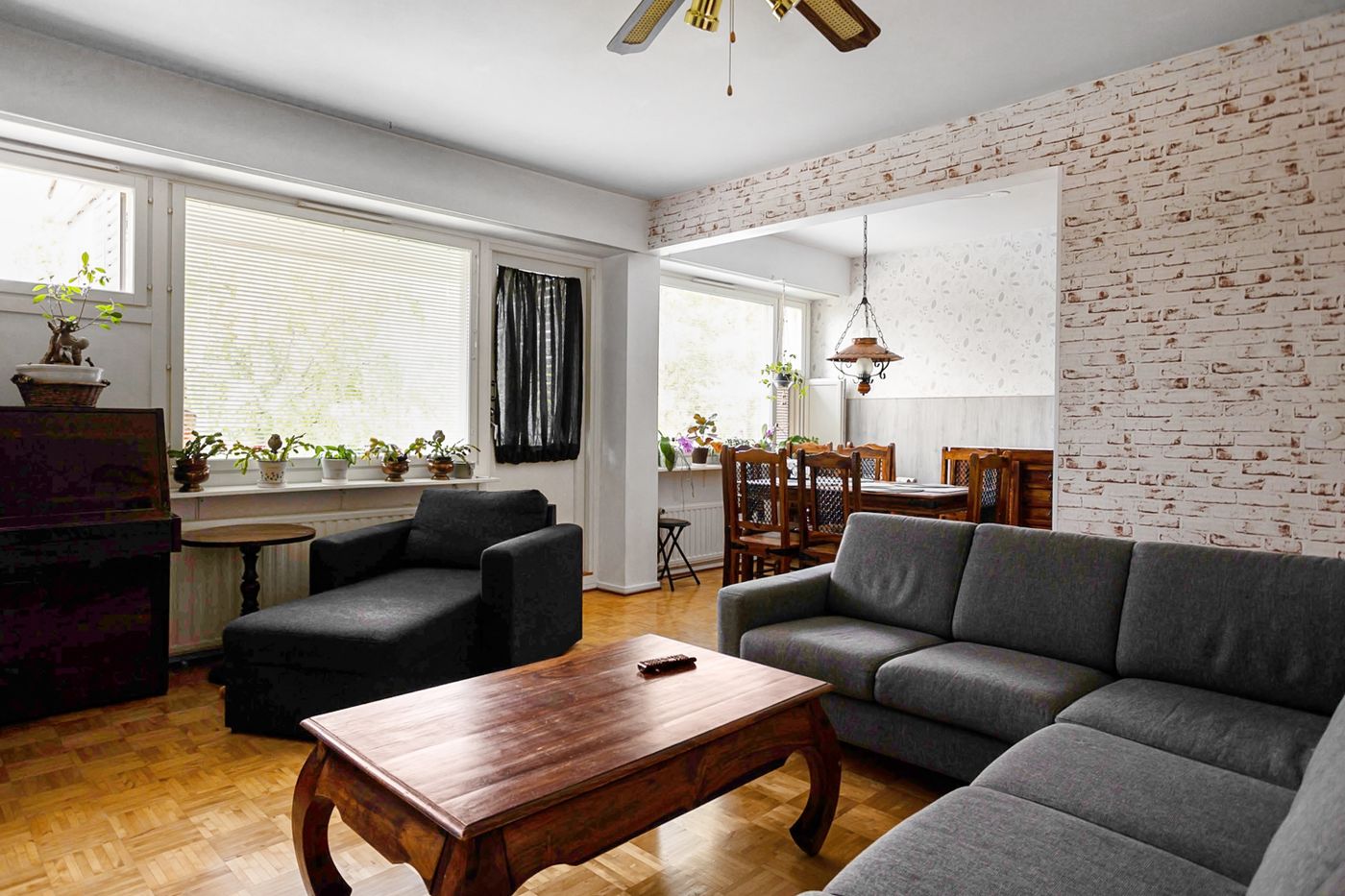
The spare room may be a study, a sewing room, or the only place a household has to store a spare chair. A guest can share that space easily if the things they need have obvious places. Decide which objects you can put away during the visit and where those objects go afterward. A room you have to dismantle for every visit becomes hard to offer. Aim for a change you can make in a few minutes once the sheets are ready.
Give a bag somewhere to land and open
Bring a typical overnight bag into the room and see where you put it. Look for a stable surface near the door or the foot of the bed. A bench can work if the bag can open there without its lid pressing into a wall. A dedicated stand can fold away between visits if it stays stable and can handle the load. The top of a tall dresser may look free and be hard to use for unpacking. Try opening the bag with one hand while holding a jacket in the other. Give its owner a place to step back without hitting the door.
Create a second place for what comes out of the bag. A few spare hangers and an empty drawer can be enough for a longer stay. A single hook can be convenient for a short one. Keep these spots distinct from the parts of the room you use for storage. Open space on a rail is easy to interpret. A drawer among five drawers full of other people's things may be overlooked. If the room needs to retain several closed storage boxes, group them where they leave a clear line of sight to the places the guest can use.
Avoid using the bed as the only surface that works for a suitcase. The guest may want to sit down, and if there is only one alternative, they may put the bag in the main walkway or on an unstable chair. Check that the door and any cupboard beside the stand can open freely. Reserve a little room under the bench or near the stand for shoes if it leaves the passage clear. That gives the guest a place to start without taking over the floor.
Put one light where the hand expects it
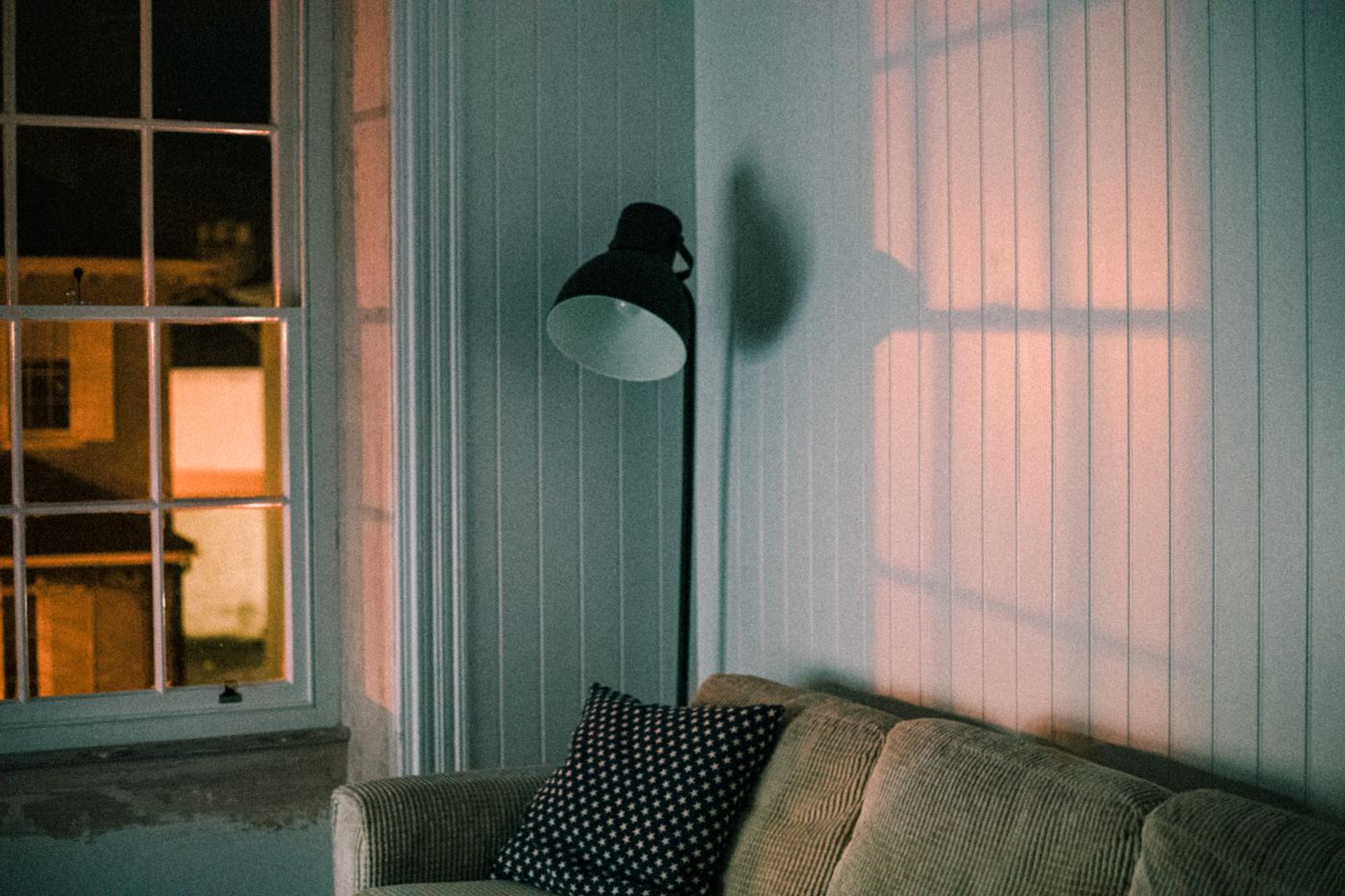
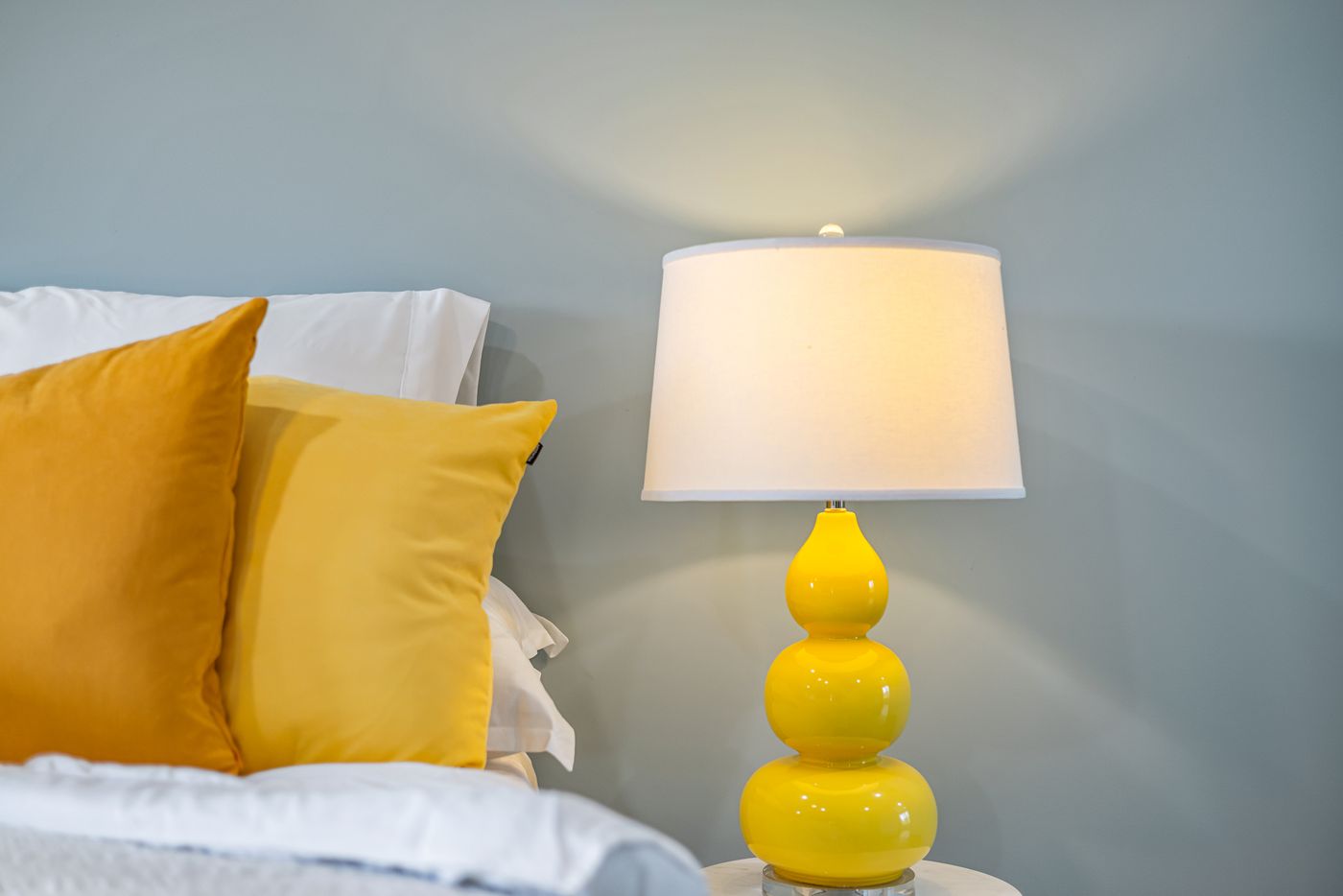
Enter the room in the evening with the blinds or curtains in their usual position. Try the light at the doorway and the light you can reach from the bed. If a floor lamp's only switch is in a dark gap behind a cabinet, look for a position or fixture with easier operation. A simple lamp on a steady bedside surface lets a guest read or find a glass of water without turning on the ceiling light. Test it from bed with the pillows in place. A switch that is obvious to a person standing up may be concealed from somebody lying down.
Look at the path from the bed to the bathroom. Secure clear routes through the room and hall, and remove anything that asks somebody to step around it in the dark. A low light in an appropriate position can make an unfamiliar turn easier to recognize. If the bathroom door resembles another door on the same wall, show the guest the route while the house is still lit. In a shared bathroom, leave room for a guest to put down a wash bag. A clear towel hook or a place to take the towel back to the bedroom can reduce guesswork.
Check where a charger can go. An accessible outlet and an empty place to rest a device often solve the need. Keep cords away from the route to the door and avoid placing chargers where bedding can cover them. If the outlet is behind heavy furniture, try moving the bedside surface to a place where it can use an accessible one. A guest arriving with a nearly empty phone may also appreciate the wireless network name and password. Share them in the way you usually share household details, and keep any printed note in a place where guests will see it.
Make the bedding easy to adjust
Prepare a bed for the season, then provide a layer a person can add or remove. A folded blanket at the foot can be easier to discover than an extra cover in a tall cabinet. Keep a spare pillow if you have one, preferably with a different feel from the pillows already on the bed. A guest can choose without having to describe their sleeping habits. For a long visit, tell them where extra linen can be found and check that the shelf is within comfortable reach.
A spare room with a convertible bed needs a practice setup. Open the mechanism as directed and remove anything that will get in its way. Fit the sheets and try sitting at the edge. A bedside table that works for a sofa might sit well behind the pillow once the bed opens. A floor lamp that stood on one side during the day can end up with a cord running through the only clear path. Plan the room in its sleeping configuration and its daytime configuration. Mark in your mind where portable pieces go when the furniture changes.
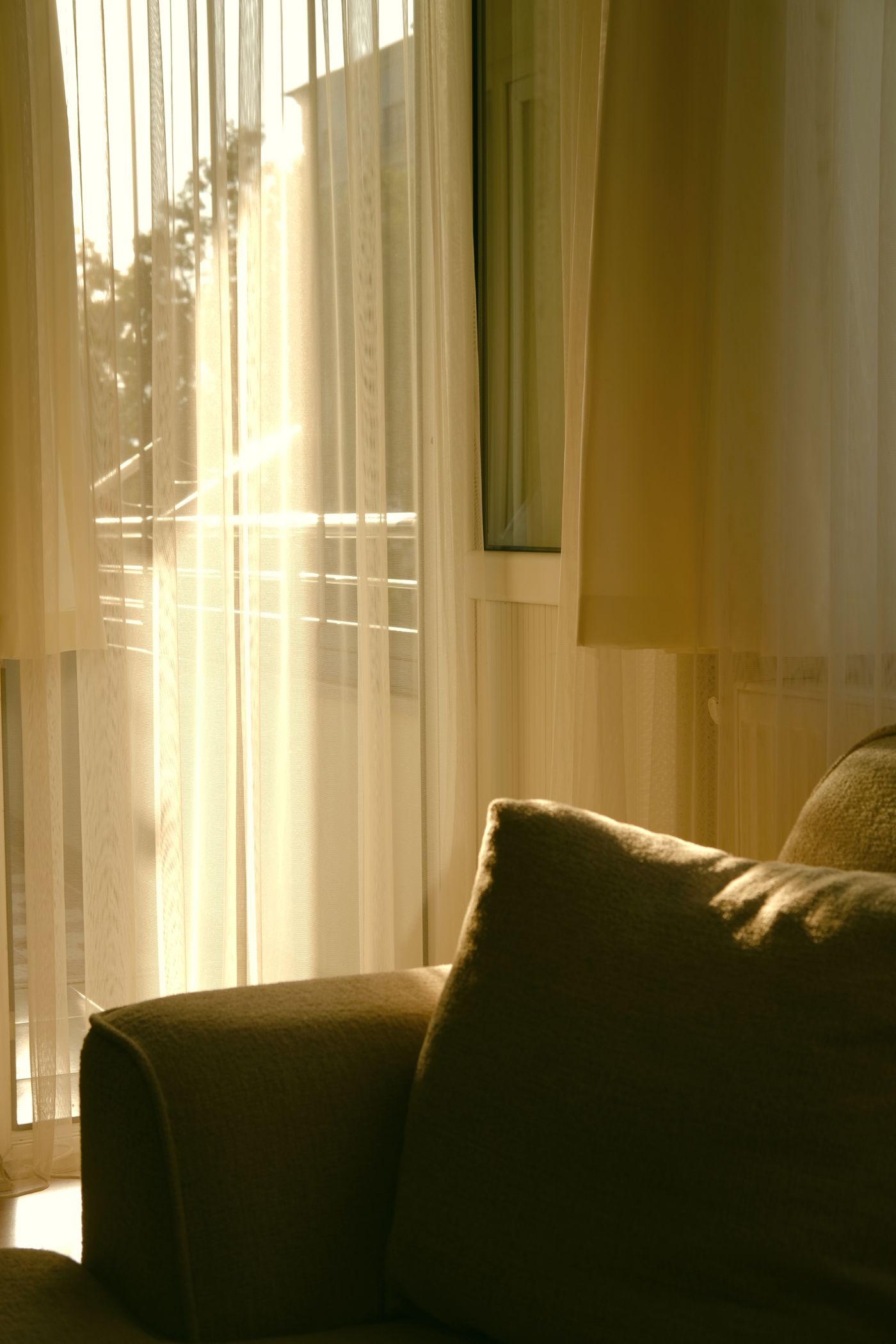
Test the window treatments before the visit. An uncovered side window can admit a bright light even if the main window has heavy curtains. Check whether a guest can operate the covering easily without moving a cabinet, and make sure it offers enough privacy when the light inside is on. If the room is warm at one time and cool at another, tell the guest which temperature controls they can use. A fresh room can still feel stuffy after a door has been closed for hours. Check that ventilation works normally and keep any vents clear.
Clear a small surface without making the room impersonal
Leave an uninterrupted space near the bed large enough for glasses, a book, and a cup. A little dish can hold a key or a ring where it will be easy to find. Move items that would make a person worry about knocking something over, especially a glass ornament perched on a narrow table. Put the spare towel where it can be identified at a glance. A folded towel at the foot of the bed is an everyday sign that the room is ready. It can also save a late arrival from looking through the bathroom cupboard.
Choose one thing in the room that you enjoy leaving out. A print, a short shelf of books, or a view through an uncluttered window can give the space a character that a matching set of accessories never will. A guest who works in the room may appreciate a clear stretch of desk more than a collection of trays. Set aside enough space for a laptop and a notebook, and look from the seated position to see whether the lamp or a window produces glare. Tell the guest where you will need access during the day if the room continues to serve two purposes.
Protect the privacy of both parties. Put household records and valuables in an appropriate place. If guests will be sharing the room with supplies you need, retrieve what you are likely to use before the visit. They should be able to leave their things out while they are there. Check that the room door closes easily and that a guest can tell how it operates. A door blocked by a laundry basket can be more awkward than a bare shelf.
Reset the room in the morning
Once the room has been used, note what moved. A chair pulled near the bed may show where people want to put their clothes. The guest may have opened the blinds only halfway because a desk prevented them from reaching the handle. Those small clues tell you which adjustments will help the next person. Ask about anything simple that could make the room easier to use, then change one thing at a time. Keep spare linens together and store the bag stand or tray where you can get it quickly if it goes away between visits.
Make the reset suitable for the room's other job. If it is an office, the bed covering can go away and a stack of papers can come out of a cabinet. If the room remains a bedroom, it can go back to holding a suitcase stand and an empty drawer with very little work. Look at the space from the door after you finish. The guest should have an uncomplicated place to go from standing with a bag to sitting comfortably. When the lamp is reachable, a towel is visible, and the path to the hall is open, the late arrival can turn in without having to wake the house.