Buy a Used Hand Plane With a Piece of Wood in Mind
Judge an old plane by the work you want it to do, the parts you can inspect and the cost of getting it ready.
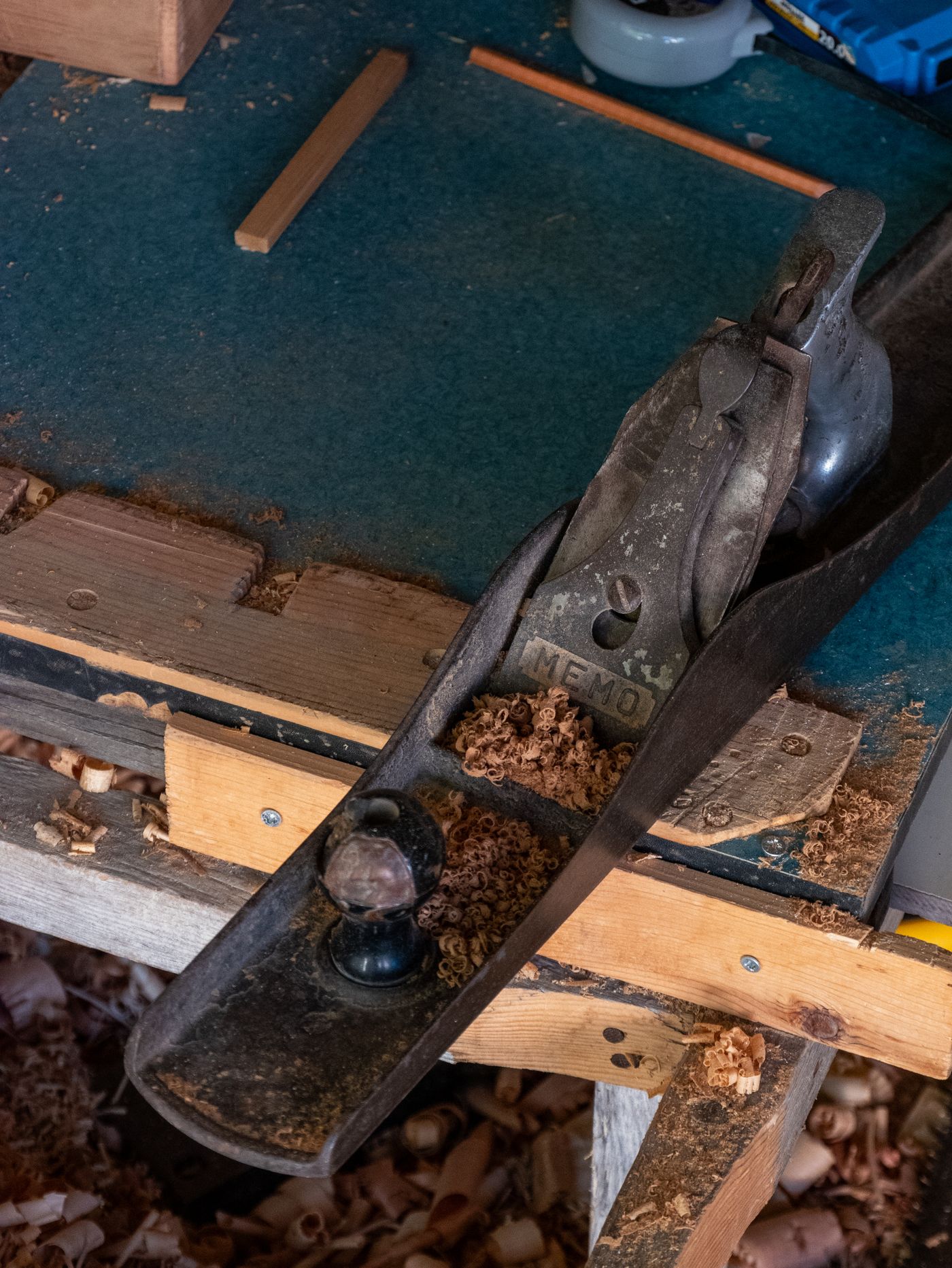
At a flea market, a hand plane with dark handles and worn paint can look like a tool that has already proved itself. It may have. It may also have spent the last twenty years in a damp box with a replacement blade that does not fit. The difference is easier to see if you show up with a job in mind. A plane for easing the edge of a small board has different demands from one bought to straighten a long joint. Buying the tool because you like its age is a reasonable choice for a collector. If you want to make a shaving next weekend, look at it as a set of working parts.
There is no need to decide whether a particular old tool is a bargain for everyone. Decide whether it is a bargain for you, given what you know about sharpening, where you can get a missing part and how much time you want to spend cleaning the tool. A comfortable tool you can put to use is better value for a beginner than a rare example that needs work you cannot yet assess.
Name the first cut
Start with a real piece of wood. Perhaps you have a small pine shelf with a sharp edge that needs softening. Perhaps you want to remove a pencil line from the edge of a board after fitting it. Say how long the cut will be, how much material you hope to remove and whether the wood is already reasonably straight. That description will narrow the choice more reliably than browsing a list of plane numbers.
A small block plane is often convenient for localized work on a modest edge. A longer bench plane has more bearing surface and is a different proposition when you need to bridge hollows along a longer piece. A large tool is not automatically more accurate in unpracticed hands. It can be awkward on a small workpiece or hard to control if the work is not held securely. The useful purchase fits the first few projects and the bench you have. A tool for a future workshop can wait until the workshop exists.
Ask whether the same job already has a straightforward solution using a tool you own. For softening a modest corner, a sanding block might be enough. A plane makes sense when you want the control of a continuous thin shaving, when you expect to fit edges repeatedly, or when its result will teach you something useful about grain. Knowing why you want it will help you stop looking before you buy a restoration project disguised as a cheap tool.
Look for a complete working assembly
Ask the seller whether you may handle it and see the blade assembly. Keep fingers away from the blade edge even if the tool looks blunt. Set it down on a stable surface, and have the seller show you how to remove parts if you are unfamiliar with the mechanism. Notice whether a lever clamps the blade securely and whether adjusters move without force. A seized screw is different from a screw that merely feels stiff with surface dirt.
On a typical metal bench plane, the casting, the part that supports the blade, the blade and the clamping hardware have to work together. Compare the setup with a reliable diagram for that model if you can identify it. A lever that appears to move may not engage the blade at all. A blade with the right width may still have a slot that misses its adjustment lever. Missing pieces may be available for a common model. They can turn a cheap unfamiliar tool into a long search.
Sight along the handles and look around their fasteners. A worn wooden handle can still feel good. A crack that opens under light pressure or a screw that will not hold means the grip needs attention before use. Likewise look for a broken section or crack in a metal casting, especially near openings, corners and screw seats. Dirt and dark paint can obscure that damage. If you cannot see clearly, do not price the tool on the assumption that the blemish is merely cosmetic.
Give the bottom and the blade separate judgments
The flat underside of the plane is called the sole. Stains and minor spots of discoloration are common on old metal and tell you relatively little by themselves. A chip at the mouth or severe pitting close to where the blade passes through the sole is more consequential. With the blade retracted and the tool resting safely, look for damage that could catch on the work or affect support near the cut. A reliable straightedge can reveal some obvious problems, but a quick check at a crowded market cannot establish the tool's precise geometry.
Look at the metal near the working end of the blade without touching it. Light surface discoloration elsewhere may not matter. Deep pitting close to the edge can complicate sharpening and leave interruptions in the cutting edge. A badly shortened blade or one with a damaged adjustment slot may be better treated as a part you will replace. Compare the cost and availability of a compatible replacement before paying. A respectable looking blade is only useful if you can secure it in the plane and get a sound edge.
Be wary of treating every rusty surface as a job for aggressive abrasion. Once you remove metal you cannot put it back. Grinding can change geometry, damage a part or expose you to debris. A beginner can look for a tool in better condition or get help from a repairer or woodworking group before undertaking restoration. Keep the cost of making the tool sound separate from the pleasure you may take in making it shiny.
Compare the total price of a first shaving
Make three estimates. The first is for the complete tool as it sits. The second covers parts, suitable sharpening supplies or help with sharpening, and any repair needed for safe use. The third covers a known working used tool from a person who can demonstrate it, or a new plane with support and replacement parts. The first number is the one on the tag. The third often makes the decision clearer.
A seller who can show a cut on an appropriate, securely held offcut gives you information a photograph cannot. Pay attention to the action and the finished surface. Listen for intermittent chatter, look for the blade shifting and see whether the cut marks an otherwise flat surface. These can have more than one cause. It is enough to notice that you would be buying the diagnosis as well as the object. If nobody can demonstrate the tool, assign a price to that uncertainty.
Consider how you will sharpen and check it once it is home. A local woodworking class or a knowledgeable friend may help you identify the right setup for that specific plane. Buying three sharpening accessories in the hope that one will solve a nick is an expensive way to learn. The more a tool depends on skills or equipment you do not have yet, the more sense it makes to begin with a sound example.
Check it again away from the market
Before using the plane, read an appropriate manual or reliable setup guide for the model, confirm that all the parts are secure and check the working area. Work on scrap with the stock firmly supported and hands clear of the cutting path. Do not test the tool on a narrow loose offcut held in your palm. Start with a modest, predictable cut and observe the board before changing several settings at once. If something moves under load or catches unexpectedly, stop and find the cause before making another pass.
Compare the end of the cut with its start. If the wood is smoother in one direction, you may be seeing the effect of grain. If the result changes as soon as the tool moves to a different part of the board, inspect how the stock is supported. A tool that seems impossible on one rough or difficult offcut may behave differently on a sound sample. An experienced person can help distinguish a setup problem from a part that needs work.
Put the plane somewhere dry and stable after using it, with the cutting edge protected according to its instructions. Record the model and any replacement part that actually fit. A short note that says which edge of a shelf you used it on and what adjustment helped is more valuable than a list of untried settings. Date the note if you plan to sharpen the blade yourself later. The next time the plane begins to leave a line in the wood, you will have a baseline to compare with the present cut. You might find that you changed to a different board or that a defect appeared after the tool fell. Either observation can send you looking in a more useful direction than taking the whole assembly apart.
The first task you chose is still the measure of the purchase. If the plane can take off the small amount of wood you intended and leave the edge easier to fit or handle, it has done its job. It can carry its old paint and every harmless mark from previous owners into the next one.