What Belongs on the Highest Shelf
Reserve high shelves for light, infrequent items you can identify and retrieve without balancing an awkward load.
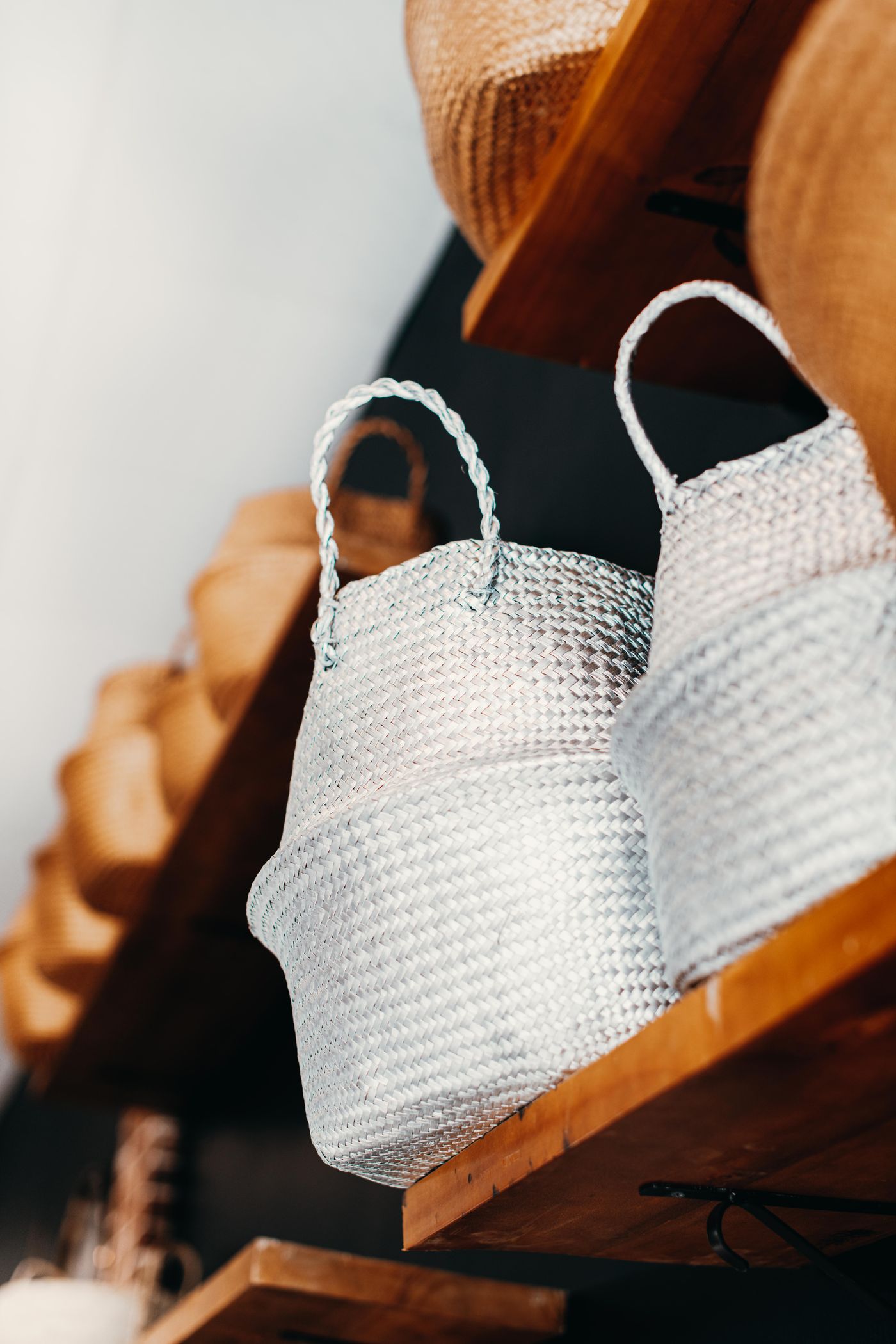
A high shelf creates a particular kind of forgetting. You may remember putting something in a basket but have no idea what else went in with it. You can reach the front rim while standing on a step, yet have no comfortable way to pull the basket out and lower it. Most high shelves would serve better with fewer containers and a good reason for each one. The practical test is to imagine getting one down and putting it back by yourself. If the operation involves holding a chair steady, stretching far into the back, or bringing down a box heavier than it looks, the storage needs a different plan.
Give the objects a destination before giving them a height
Make a short list of what you are considering for the shelf. Put the items used daily or in a hurry somewhere easier to reach. The shelf might be appropriate for a light bundle of clean seasonal textiles, a set of spare fabric napkins, or an empty carrier used a few times a year. A box of books can become heavy even if each book seems light by itself. Some seldom used belongings still need ready access. Equipment you may need during a power cut, a first aid item, or papers you expect to retrieve urgently should have a predictable accessible home. Frequency of use is only one part of the decision.
Think about what would happen if the container tipped. A light plastic bowl differs from a glass vase. A basket of soft fabric differs from a shallow tray full of metal pieces. Avoid putting fragile, heavy, unstable or dangerous contents overhead. Some goods also have specific storage conditions. A shelf in a warm loft room or near a heater may be unsuitable for delicate materials even if it has plenty of room. Look for signs of damp, dust, pests or uneven temperature before moving anything that could be affected. Leave vents and service access clear. If a shelf is above a bed, seat, door or frequently used route, think carefully about what can safely sit there and how the shelving and its contents are restrained.
Consider who will use the shelf. If everyone must find something independently, it needs to be available to the least able person who normally reaches for it. A step may be uncomfortable or inappropriate for some people. Give shared essentials an accessible location and save higher space for belongings only the people who can reach it need to handle. For children, keep storage arrangements that would encourage climbing out of their reach and secure furniture according to instructions. A shelf can be safely installed and still be a poor choice for items people are tempted to retrieve without suitable access.
Check the shelf and the retrieval path
Look along the shelf from the side if you can. A bow, loose bracket, damaged support or uncertain mounting deserves attention before you add anything. Verify what load the shelf and its fixings are designed for and follow the manufacturer's directions. The way the load is distributed can matter as much as its total weight. If you cannot establish whether the shelf is sound or suitable, have it checked or choose another position. The volume of empty space above a shelf says very little about the weight it can safely carry. There is also no need to use all the available height by stacking several layers where only the bottom one is easy to retrieve.
Measure the usable depth and the height at the front. A rail, door frame or decorative trim can leave a smaller opening than the area behind it. Use a light empty container for a trial. From a safe working position, slide it forward far enough to grip and see whether it clears the opening without tilting. Check the clearance on the way down, especially if a door sticks out beside the shelf. Use an appropriate stable step ladder or other suitable access equipment according to its instructions. Keep the floor clear and avoid reaching to the side. If the access equipment requires you to hold on and you need two hands for the item, move that item lower or arrange safe assistance.
Don't plan a retrieval route that depends on the cupboard door holding still while you stand against it. Open the door fully where safe and note whether there is space for you and the access equipment. Consider whether someone else regularly walks behind you. A high kitchen shelf in a narrow aisle may have enough approach room only when nobody is cooking. A box of seasonal items taken down once a year can wait for a clear workspace. Something used twice a week will eventually be collected at the least convenient moment. Put frequent jobs at a height you can reach under ordinary conditions.
Use light containers you can read from below
Choose each basket or box for its weight, grip and shape. A heavy container leaves less margin for its contents. A basket with a sturdy opening at the front can be easier to grasp than a smooth box with tiny side handles. Make sure the handle can support the load and won't snag on the shelf. A lid can help with dust where it fits securely, but you need room to lift or release it at a comfortable height after bringing the container down. Avoid putting a small loose lid above eye level where it can slide off the moment the box is moved. Leave space on each side of anything you need to grip from both sides.
Put a readable label on the surface you can see from below or from a safe position in front of the shelf. A label on the lid won't help if the lid is above your head. For an opaque box, give enough detail to find a particular item. "Winter pillow covers" is easier to act on than "Textiles." If two boxes really serve the same category, list a more specific group on each one. You can put a small contents card near the shelf or keep a simple note in a place you already use. If the arrangement needs a full inventory system for six containers, see whether the categories can be made more distinct before creating new paperwork.
Store one row where possible. A shallow high shelf has the advantage that the entire row may be visible. On a deep shelf, leave the unused space behind a reachable row. A second row makes sense only where you have a safe way to find and retrieve it without unloading a series of objects overhead. Don't put things above the front edge where they can fall or stick out into a route. Use a stable arrangement with adequate space around each container. The room beside a basket is part of the storage system. It lets you grip, turn or move the basket without catching the next thing.
Pack for the moment you open the box
Take care of the items before they go up. Put textiles away clean and dry and use appropriate containers for the materials. Keep complete sets together when you normally need them together. If you use only one or two objects at a time, think about keeping those within reach at a lower level while storing spares higher. Pack a limited amount in each container. The easiest mistake is to treat a box as light because it contains only a few small objects, then add another batch whenever there is room. Recheck its weight and balance whenever you change the contents. Don't use the high shelf as the default place for new things that don't already have a home.
Leave items that need regular inspection where you will remember to inspect them. A photograph or a short note can preserve the contents of a box you open rarely, but it won't help prevent deterioration where the storage itself is unsuitable. Set a periodic check at a time when it fits another household task. For example, when the weather changes, bring down the container of appropriate seasonal items and check the place where it sat. Look for changes in the shelf and in the conditions around it. Return only the things that still suit the location and the space you have allowed them.
Run a real trial with the shelf in use
Wait until the ordinary need for something comes around. See whether you can find the label while standing on the floor and have a clear route to get it. Think through how to bring it down safely. Check whether the nearest clear surface gives you somewhere to put the basket before you open it. If the first place available is across the room and you're carrying something unwieldy, revise the packing or use another shelf. Consider where you'll leave an empty container while its contents are in use. It should have somewhere to sit without blocking the area where you work.
If one box consistently proves awkward, change that box before reorganizing everything. It may be too broad to grip, too deep for the shelf, or full of things that have little to do with one another. Split the contents into useful groups only if the shelf can safely carry and accommodate them. Moving one class of objects to a lower cabinet can give you enough room to keep the rest easy to retrieve. When you can read the label, clear the approach and bring down exactly the intended item, the highest shelf has earned its place. Leaving half of it empty may be what makes that retrieval possible.