When the Woods in a Room Come From Different Places
Make a room with old, new, pale, and dark wood feel connected by looking at grain, sheen, light, and the distance between pieces.
It is common to inherit one beautiful piece and then spend years trying to match it. The old table may have changed color in sunlight, picked up a different polish over time, or darkened at the places people touch. Even a sample of the same species might look foreign beside it. A second attempt to get the stain exactly right can bring a new color into the room without making either piece look better. Begin with the actual furniture and floor. Look for ways the pieces can share a room with their differences intact.
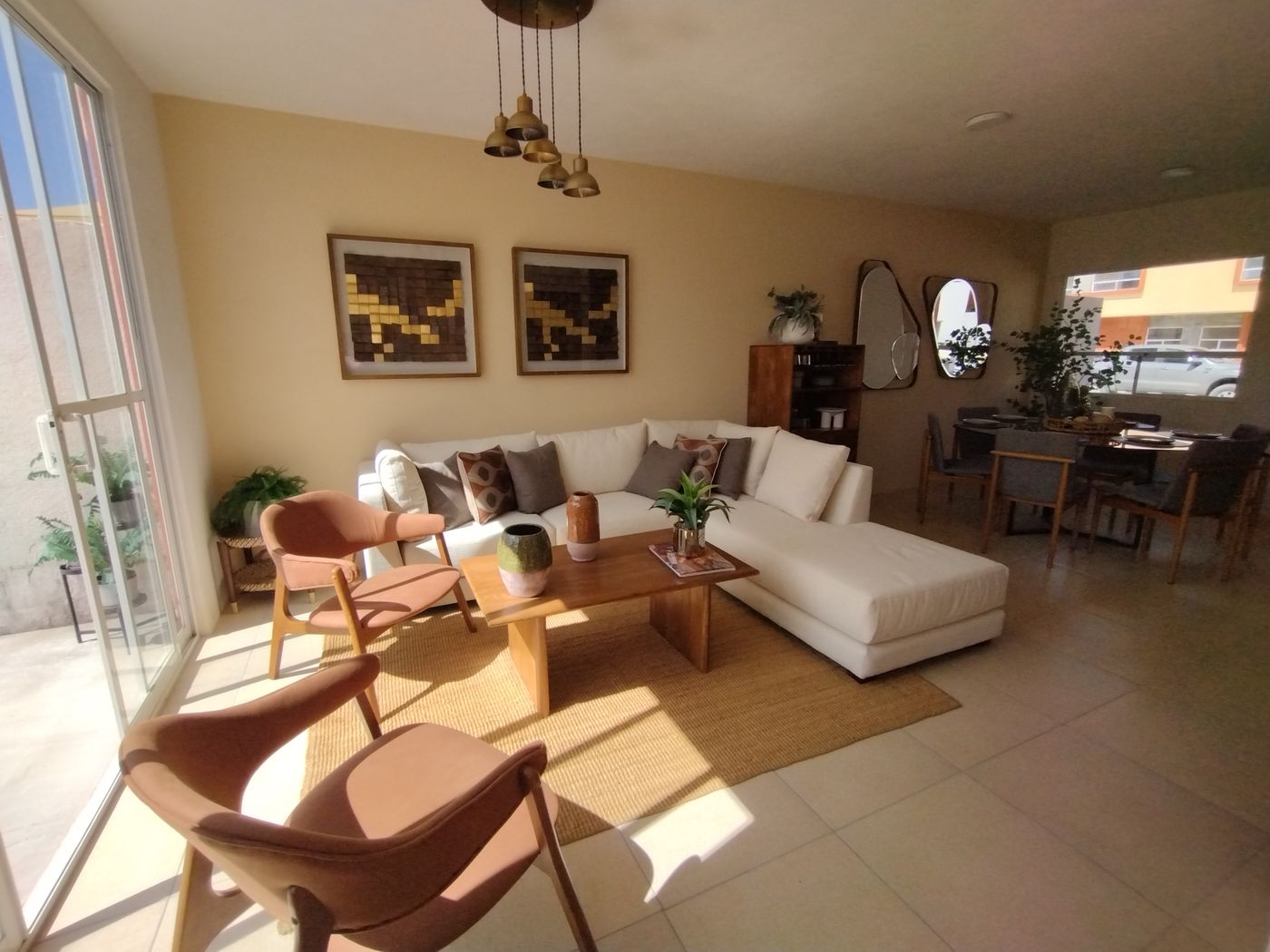
Take a walk around the room when daylight is even. Look from the doorway, then from a chair. Decide which wooden surface has the strongest effect on the whole view. It might be the floor, even if you hardly think about it. It might be a cabinet that rises almost to the ceiling or a pale table in front of dark shelves. This dominant surface is a useful place to start because it already does more to define the room than a sample will. Then look at the wooden pieces close to it. The ones that sit side by side usually need more consideration than the ones at opposite ends of the room.
Read the color and the grain separately
Set a sheet of plain neutral paper beside two wood surfaces if you can see both at once. The paper gives your eye a common reference. One brown may look more red than you thought when the two are adjacent. The other may look olive or golden by comparison. Set the paper aside and view the pieces from farther away. Some differences are apparent at arm's length and all but vanish across the room. Treat the differences you can still see from the doorway as part of the arrangement.
Grain is a separate decision. Large swirling lines can make a broad tabletop the most active surface in a room even when its color is close to the floor. A piece with quiet straight grain may sit near it without competing. Two prominent grains of nearly the same color can still look busy when pressed together. If both pieces are important, give one a different position or place a calm textile between them. A rug can separate a strongly patterned floor and a coffee table. A chair with upholstered sides can introduce a plain surface between a timber shelf and a desk.
Take care when you compare finish samples. A piece of timber only a few inches wide may show a stripe that is rare across the actual board. It may also give you a very optimistic sense of how evenly a finish will appear. Look at an actual piece or a larger sample if available. If you are commissioning something, ask what the maker expects to vary between boards and how they select boards that meet at a visible joint. Natural variation can be one of the reasons the piece looks good. Expect to judge the range as well as the central color.
Notice where the finish catches a reflection
Gloss can change the color you see. On a dark polished table, a bright window can become a white rectangle. Move a foot to one side and the surface appears very dark again. A low sheen piece beside it keeps more of its color as you move. A combination of those two surfaces can look agreeable even when the finishes do not closely match. What matters is how much of the room is occupied by each kind of reflection.
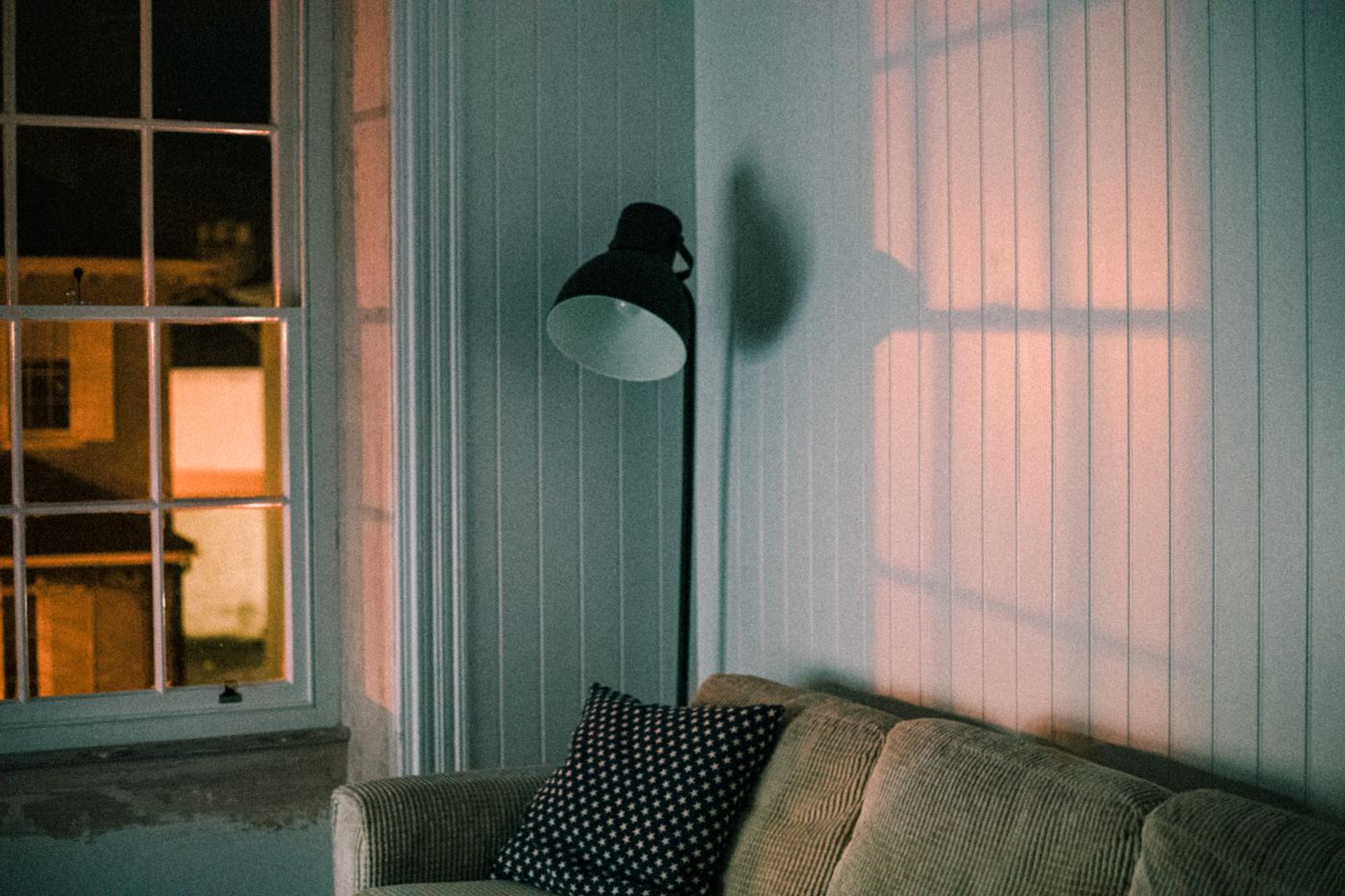
Sit down where the room is used at night. A lamp placed to light the sofa can reflect off the top of a cabinet behind the coffee table. If that highlight makes you dislike the surface, move the lamp temporarily or try the cabinet on another wall if the piece can be moved safely. A darker wood that seems heavy beneath a window may look beautiful where it has a glancing light along one edge. Think of light as one of the materials in the room. It changes more during a day than any piece of furniture you could buy.
A small patch of worn finish can also read differently depending on light. Look along the surface at an angle. Finger marks, worn areas, and a change of sheen may account for what appears to be an uneven color. Follow the care instructions for the specific finish. Where its composition is unknown, seek repair advice before using solvents, polish, or an abrasive. Valuable or old pieces can merit a restorer's assessment. If wear is part of how you understand the object and the surface is sound, it can belong in the room alongside something new.
Give each finish a few places to be seen
A single high contrast object looks deliberate when the room makes it easy to see. A dark hall table can have space around its top and legs. If there are several dark objects, consider whether their positions help the eye move around the room. A picture frame can share part of a finish's color without having to match the larger piece. The pair will be read from a distance, where a similar degree of darkness can connect them even if one has red undertones and the other does not.
Repeated material does not have to appear at equal intervals. A pale dining bench beside a pale table can be one group. Farther away, a smaller pale frame can pick up the color while letting darker furniture define the rest of the view. If a room contains many medium tones with nothing clearly light or dark, try moving one small dark object into the group to give it a clear point of emphasis. A warm lamp shade or a blue bookcase may do that work too. The relationship can come through the color and weight of the whole room.
Consider the empty intervals that let two finishes be seen on their own terms. A narrow gap between two cabinets can look accidental and catch dust. More distance can give both enough space to read as separate pieces. If they must stand together, see whether the objects on top create a shared outline. A long plain wall above them can balance what is happening below. Avoid adding things simply to conceal the transition. A little room around a joint, corner, or edge can make the transition easier to live with.
Work with surfaces that are already large
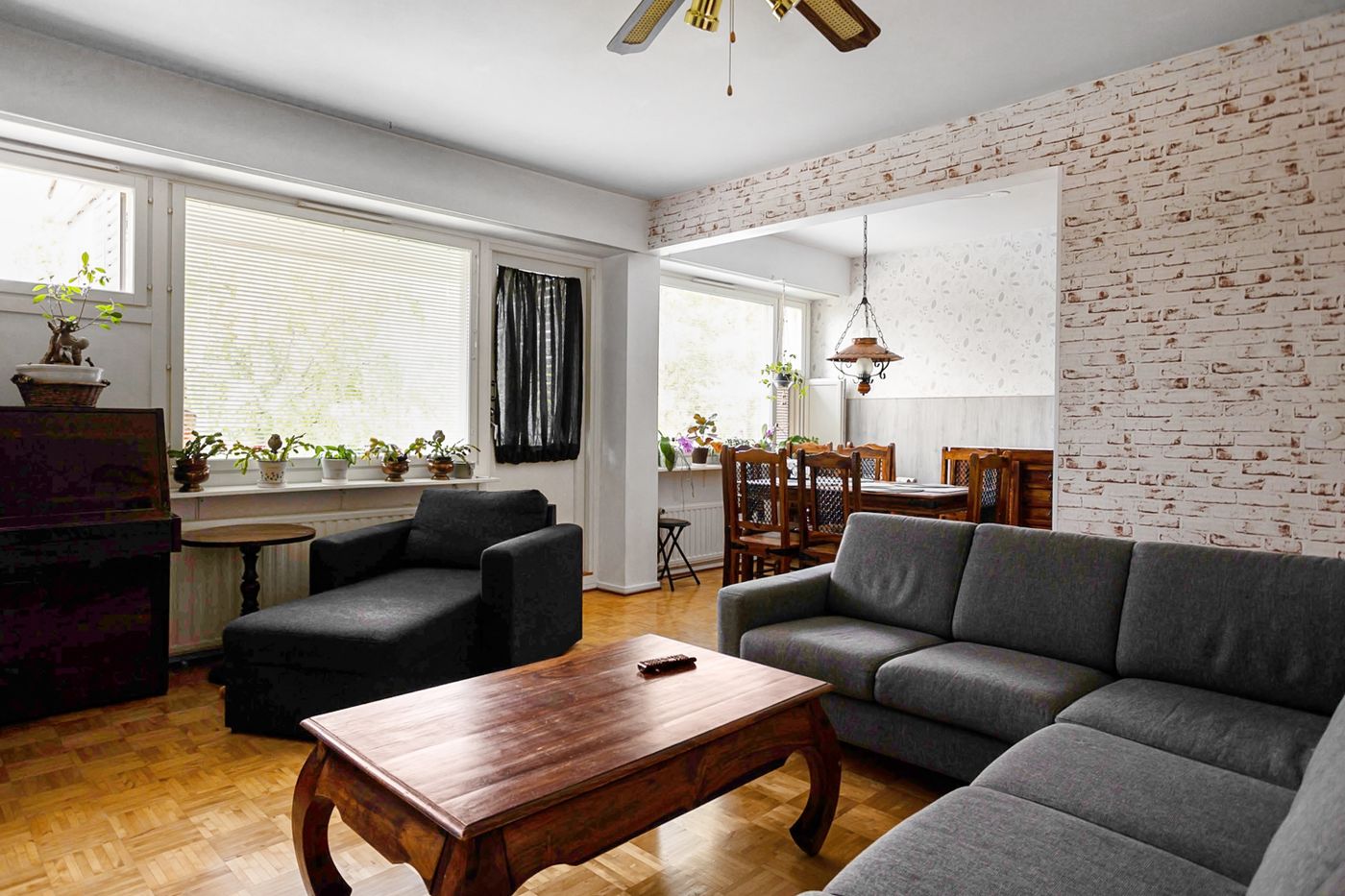
Floors, doors, and wall panels typically occupy more of the room than movable furniture. If the floor is warm orange and the main table is a cooler brown, look at the intersection where its legs meet the floor. A light rug changes the relationship and gives you a quieter base. The floor still shows around the edge, so take a look from the doorway before making the rug wider. If the cabinets and floor are both strongly patterned, a calm wall color or curtains can give the eye somewhere to rest.
Test a proposed paint or fabric color next to both wooden surfaces. A sample that harmonizes with the lighter cabinet may bring out an undertone in the darker floor you rarely notice. Make two large samples that you can move around the room. Leave them up across a clear day and a dim evening. If the choice is between two versions of a color you already like, test how it changes the most difficult wooden surface before selecting the one that looks best in isolation. You may learn that both woods sit comfortably with a less saturated version.
Changes to a fixed surface are harder to reverse. If the strongest conflict disappears when you exchange two portable pieces or switch a fabric cover, keep that arrangement for a while. Use the furniture as you normally would before deciding it needs refinishing. An object that looks like an odd addition on the day it arrives can look familiar after a room has settled around it. Conversely, two finishes you thought were close can draw your attention to the mismatch every time the sun comes through the same window.
Make space for future pieces
Take a few photos of the room in different light and save them with your measurements. When you find an appealing secondhand piece, pay attention to the scale, shape, and grain before deciding whether its color is acceptable. Check the condition and construction in person when you can. An object with a straightforward shape may sit beside something ornate even when their surfaces are noticeably different. A large cabinet made from highly active wood may need more space, regardless of how well it agrees with the coffee table.
If you bring home a small item, try it in two places before looking for more things like it. A stool may be a poor match next to a similar color chair and a good companion to a plain painted wall. A room with wood from several sources changes gradually, as pieces move toward the places where they are useful and acquire the wear that comes from living with them. The familiar table can continue to look like itself. The new piece only needs enough room and light to look like it belongs there too.