A Balcony With Room to Sit
Make an apartment balcony comfortable for one or two people by leaving room for the door, the weather and the route back inside.
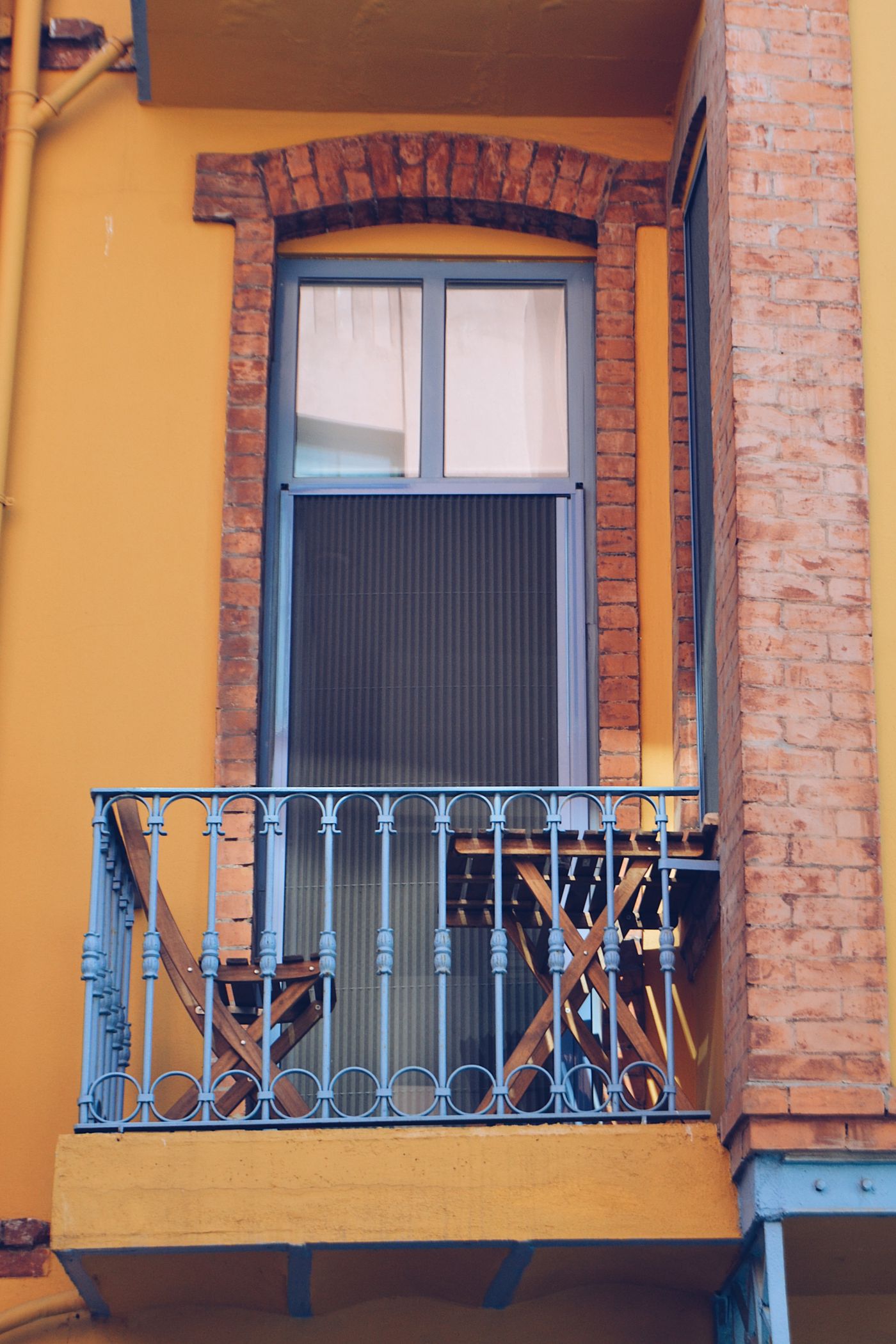
A balcony can have barely enough floor for two feet and still be a fine place to drink a cup of tea. It can also have room for a set of furniture and sit empty because the chairs are always wet, the wind catches the newspaper or the only way to get through the door is to turn sideways. Balcony furniture is usually advertised by the size of the pieces. The more useful dimensions are the spaces the pieces leave behind.
Decide what a good ten minutes on the balcony would look like. Maybe you want one chair for reading after work. Maybe two people want to talk without raising their voices through an open door. It is easier to arrange a small outdoor space around an actual moment than to try to fit a miniature version of a garden into it.
Start at the threshold
Open the balcony door and watch where it goes. A hinged door takes up a sweep of floor that has to stay empty. A sliding door leaves the floor clear but may make only one half of the opening available. Stand inside holding something the width of a dinner plate. Walk out, turn around and step back in. Try closing the door while you stand on the balcony. Make a mental note of the part of the floor you need for each movement. That part belongs to the door even when it appears empty.
Pay attention to the sill. A high threshold is easier to see if you leave an open area on both sides of it. A loose mat immediately outside may catch a foot or stop the door from opening fully. If you need something to wipe your shoes, try a suitable mat indoors first. Keep the path wide enough to carry the cushion or tray you actually plan to use.
Walk to the far end if you have one. Some balconies are narrow along their full length but include a wider patch at the end. That is often a good place for a chair turned diagonally. In a square space, two chairs might sit at right angles, leaving a clear gap rather than facing each other across a table. Either way, look for one route that always remains open between the seat and the door. Keep the building's required access routes and exits clear.
Borrow a chair before buying one
Take a chair outside for a short trial in dry, calm conditions. Set it where you expect to sit and notice the view at seated height. The street you see over the railing while standing may disappear behind it when you sit down. The position you thought would feel exposed may be partly screened by a side wall. A chair turned a few degrees can make the difference between looking at the neighboring building and seeing the tree you like.
Use the trial to learn what kind of seat you want. If you normally spend five minutes outside, a compact upright chair may be enough. Longer reading calls for a back you can lean on and somewhere to set a book down. Arms can make a chair more comfortable while also making it wider and harder to get around. Folding chairs have their own dimensions when open and closed. Check both, then decide where they would go when you are finished. Bring an indoor chair back in as soon as the trial ends.
Do the same with a table, using a small stable stool that is already suitable for outdoor use or a folded piece of paper to mark the footprint. A side table is useful when the chair would otherwise need space to approach a dining surface. It can stand beside the seat and leave the area in front clear for getting up. To check the size, set out the things that need to be on it at the same time. A book and a mug are a much smaller assignment than two plates and a serving bowl.
A lightweight folding table can work if there is a convenient way to store it indoors before rough weather. If opening it makes the door difficult to use, it will be a nuisance even if it technically fits. Leave room around the hinge and support as well as the top. Avoid mounting or hanging furniture on the railing unless the building permits it and the system is suitable for the location. A floor-standing piece can be a simpler choice.
Learn what the wind does
The wind at street level tells you surprisingly little about the wind outside an apartment door. A recess can be sheltered on one day and catch a crosswind the next. Spend some time outside with your back against different walls. You can usually tell which seat is comfortable by how often you turn your head or put a hand on the page you are reading. Notice whether gusts run straight along the balcony or come through an opening at one end.
Choose furniture and accessories intended for the exposure they will face, and follow the maker's instructions for use and storage. Bring loose items indoors before storms or when they could blow away. A large piece of fabric or a broad tabletop presents a surface to the wind. Keep temporary shade, privacy screens and umbrellas within the conditions and fixing arrangements they are designed for. If you have no approved way to secure a large screen, try changing the direction the chair faces before adding anything to the edge.
Pick a place inside for cushions and light accessories where you can put them away in a single trip. A basket near the door is only helpful if the cushions are dry and the basket does not block the door. Make the routine easy enough to follow on a night when rain starts while you are cooking. Leave the balcony itself with as few loose objects as possible between uses.
A balcony with a solid side wall may offer the best shelter close to that wall, but check where rain lands. Drips can collect below the edge of the balcony above. A small patch that looks sheltered on a dry day might be the first part to get wet. After rain, look for dry spots from the doorway. Compare where a chair would stand with where its legs would meet the wet floor. If every sensible seat gets wet, choose a chair surface that drains or wipes readily and keep the cushion inside.
Let the floor drain and dry
Balcony floors are meant to manage rain. Find the drain or outlet and look at the line the water follows to it. Keep it visible and accessible. Check that the feet of furniture sit firmly and that any protective feet suit the surface. If you are considering an outdoor mat or removable floor tiles, look up the building rules and the product's installation guidance. A floor covering can trap dirt or moisture underneath, especially where it cannot be lifted without moving a great deal of furniture. Nothing should block the drain or require puncturing or altering the waterproof surface.
If the floor is slightly sloped, test the chair before using it and place the table where a drink can sit securely. A three-legged table may stand without rocking on a mildly uneven surface, but the top will still follow the slope. A stable four-legged piece with suitable adjustable feet can be more useful. Inspect the feet and hardware after the furniture has spent time outdoors. A small piece that can be brought inside and cleaned may last better in your conditions than a large set that is difficult to reach around.
Plan for ordinary cleaning. You need to get under the seat and into the corners, so leave space to move the pieces or choose ones you can carry through the door. Keep dirt and leaves away from drains. If you use plant saucers on the balcony, place them where you can lift them and empty excess water easily. Avoid letting runoff fall onto the homes or paths below.
Try an evening with just the essentials
Look out from inside after dark. The balcony may be much darker than it seemed through the glass during daylight. Start with the building's existing light, if there is one. Try a portable light suitable for outdoor use on a stable surface away from the edge. Check that you can see the threshold and chair legs. Aim the light toward the things you need to see, keeping it low enough that it does not spill into windows nearby. When you bring in the mug and book, bring in the light too unless it is intended to stay outside.
Furniture and planters near a railing can also create footholds. Where children use the balcony, follow your building's safety guidance, supervise them and keep climbable items away from the guard. It can be easier to plan the seating close to the apartment wall and keep the perimeter simple. Keep an eye on how chairs move during use. A light chair left in a safe position can end up elsewhere after a few people sit down and stand up.
For the first week, try the balcony with one chair and whatever you use to set down a drink. Sit in the morning once and after work once. When you come back inside, take stock of what you wanted and did not have. It may be a cushion, a second chair or a safer place to put the cup. Add the next piece that solves a real inconvenience. Once a balcony is easy to step onto and easy to leave, you are much more likely to use the few square feet it gives you.