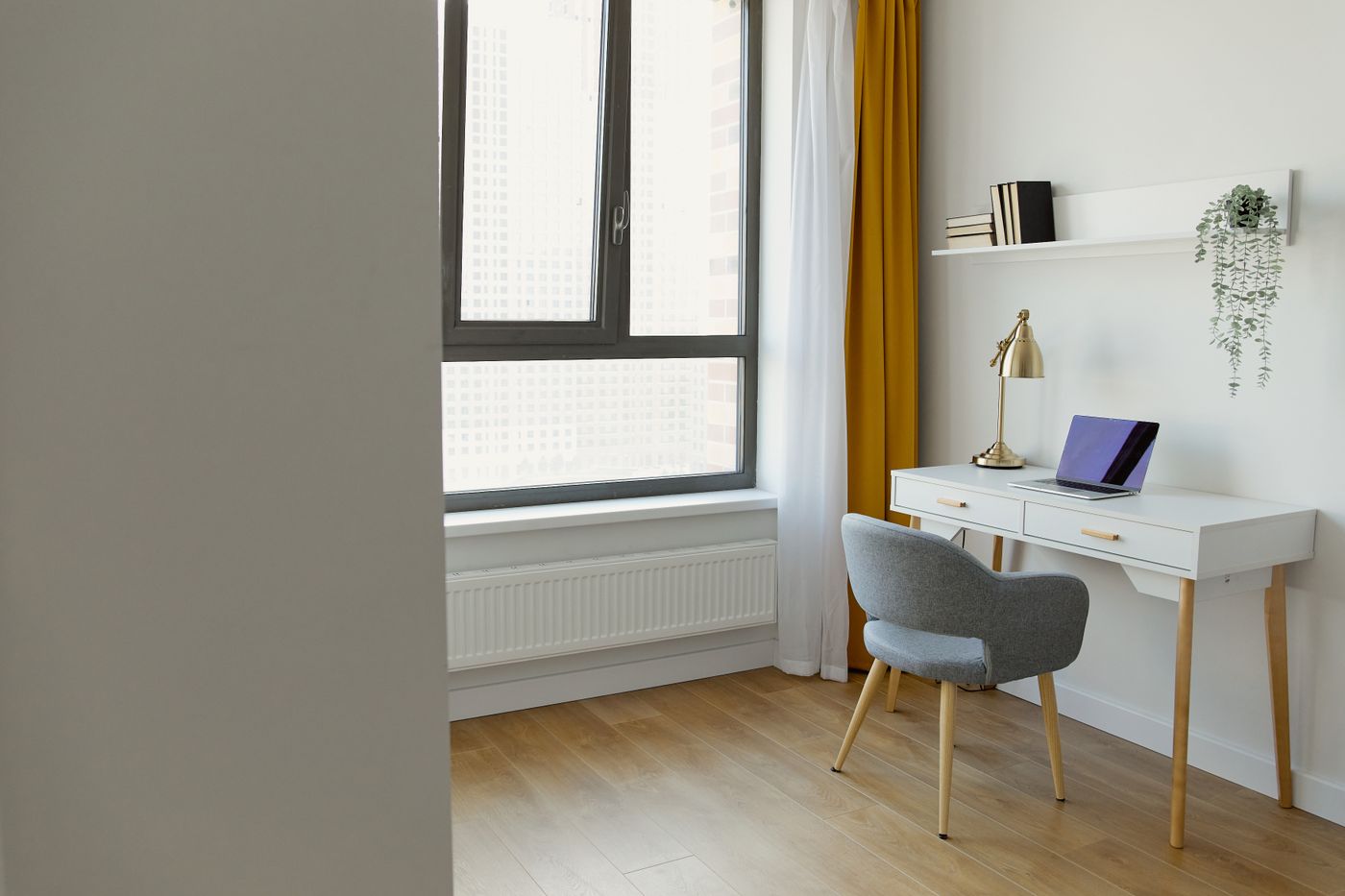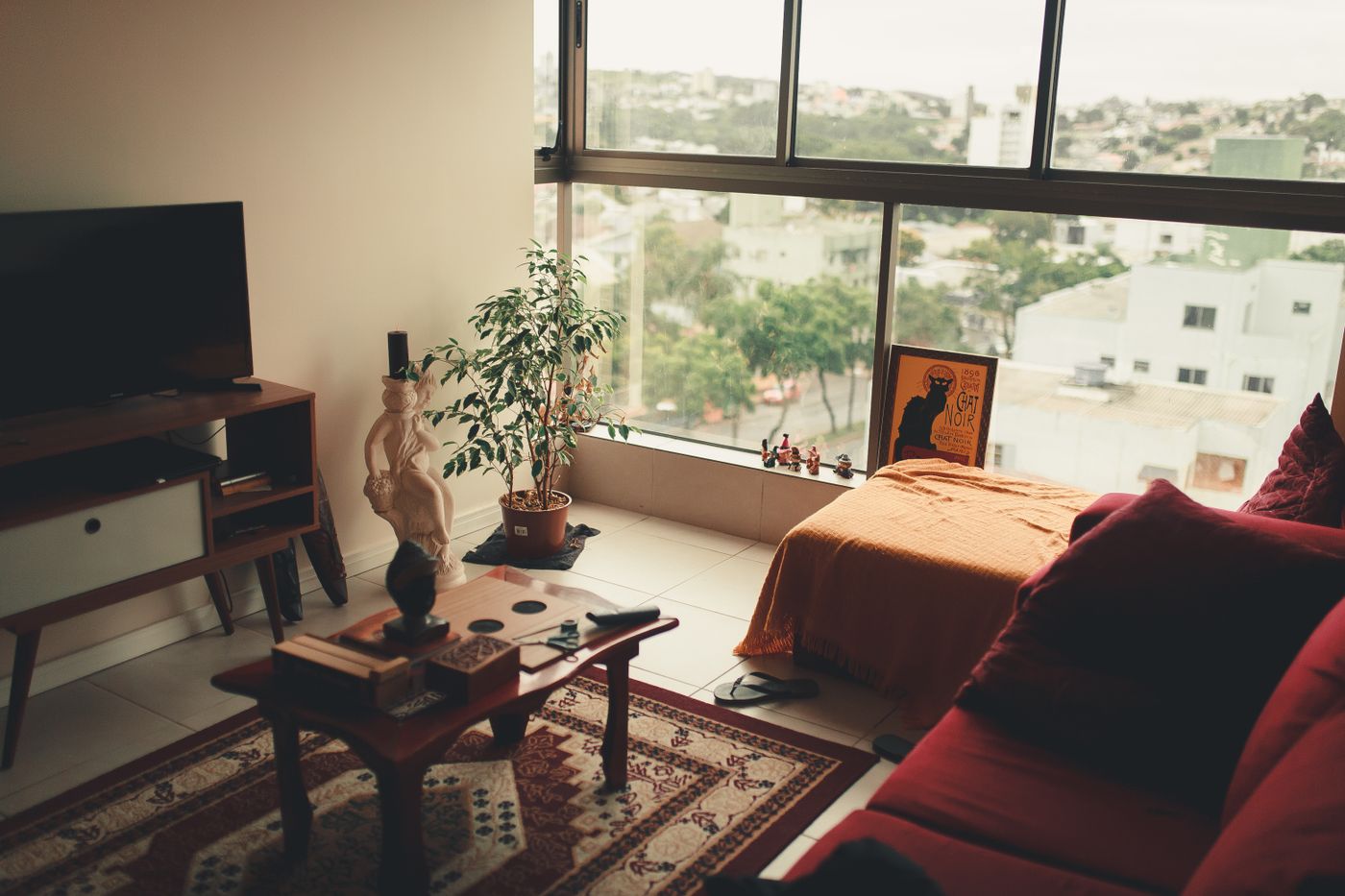
A Window Corner for Houseplants
Fit a few houseplants around the window you already use, with space for the blind, watering and the occasional pot that needs to move.
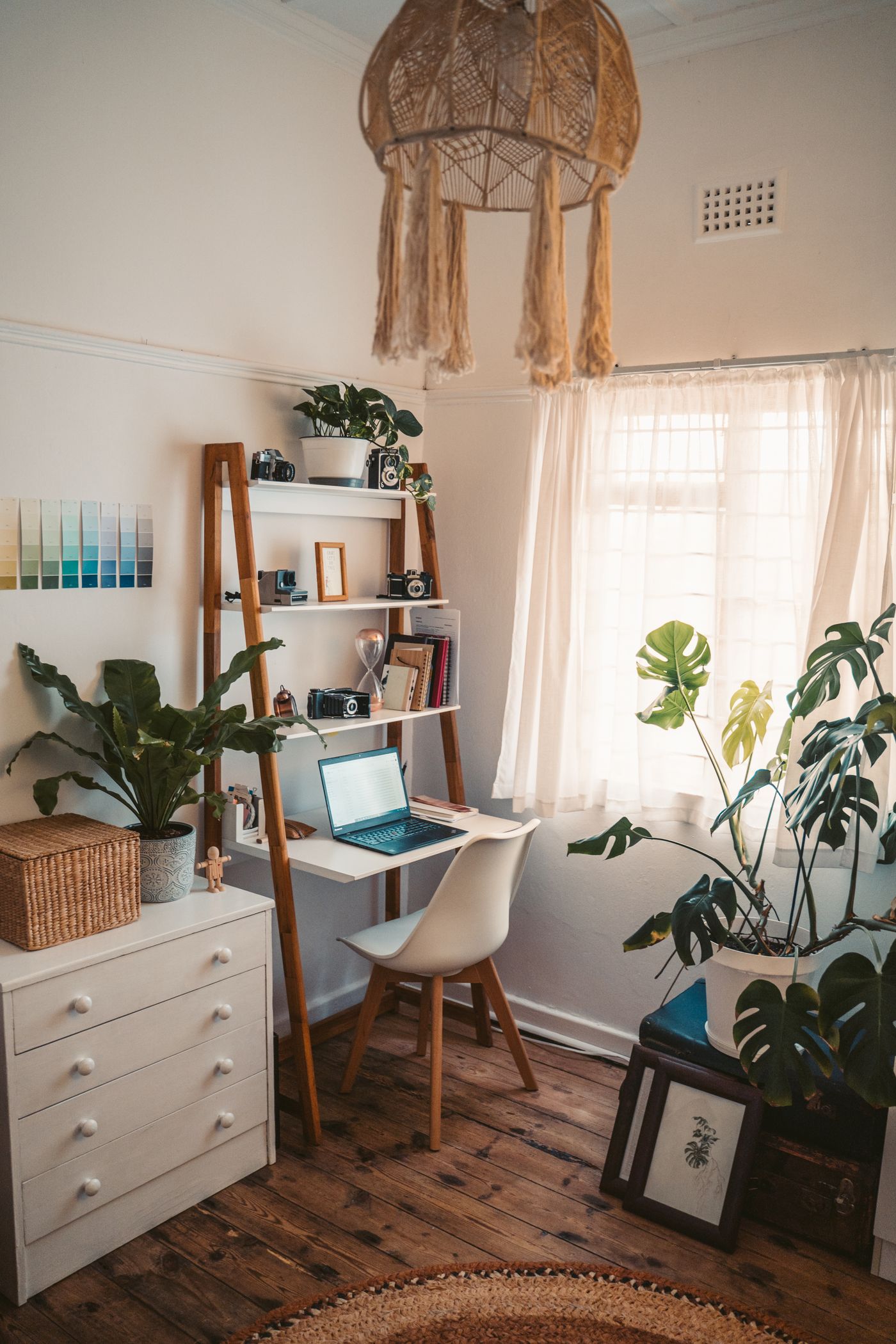
A windowsill can look like available space until the first day you try to open the window. A line of pots may occupy the whole ledge, catch on the blind or make it difficult to wipe away condensation. The plants themselves may be doing well. The arrangement is still inconvenient. In a small home, a window deserves to keep doing all of its jobs even when you add a few new ones.
Start with fewer plants than the space can hold. Choose a place where you can see what is happening to them and where they can be reached with a cloth or a small watering jug. Leave one patch of the sill empty. That bit of room is where you will set a pot while you inspect it, move something away from the glass or place a saucer down while you clean.
Draw the window at different hours
A bright view outdoors does not guarantee bright conditions for a plant inside. The pane, the depth of the wall and the height of the furniture can all affect where light falls. Look at the corner once in the morning, once around the middle of the day and once in the afternoon. Mark on a piece of paper which areas receive a patch of direct sunlight and which have a steady view of the sky without a bright patch. Include spots a little way back from the window. A low table that looks close enough at noon may be shaded by the sill for most of the rest of the day.
Notice the shade from things you use. Curtains or a blind can change the available light for hours. A desk chair pushed back in the same position every afternoon may shade a small pot beneath it. If you have the window open frequently, a drafty strip directly beside it may be less suitable than a location to one side. Fit the plants to the conditions you want to keep. It is easier to put a pot elsewhere than to change when you open a curtain or window.
Think about the season in which you are making the arrangement. In a room that gets a strong patch of sun in summer, sunlight can reach different places in winter. A large tree outside may cast shade after it comes into leaf. Watch for changes before filling every gap. A plant that needs to move in a few months will be easier to accommodate if it is on a light, stable saucer with a second suitable spot available.
Choose one plant at a time using reliable care information for its species. Consider the light, temperature and humidity the plant needs. If you live with pets or children, verify the plant is suitable for your household before bringing it in. Plants sold together in a bright shop may have different needs at home. A pleasant grouping does not have to share a species, but it helps if the plants at the same distance from the window are comfortable under similar conditions.
Work around the handles and fabric
Stand beside the window and open it through the range you ordinarily use. Watch the path of the handle, sash and any blind. A taller plant can look well clear of the handle from the front and still be caught by the edge of a moving window. Use an empty pot and a piece of cardboard to test the full height before placing a plant there. Keep window exits and any ventilation openings clear.
If curtains cover the sill at night, look at the space on both sides of the fabric. A hanging curtain can brush against foliage or tip a light pot. A plant behind the curtain may be harder to notice when you check the room for damp. In that situation, it may be simpler to put pots on a small table just beside the window and keep the sill free for the curtain. Check the light from that location during daylight. You can move the table a little forward or sideways before it earns a permanent position.
A deeper ledge may hold plants on one side and still leave enough space for the handle on the other. Grouping them at one end creates a working area. On a shallow ledge, choose low pots with bases that fit fully on it. A plant perched on the inner edge because its pot is too large is awkward to tend even if it stands there for weeks. Use a stable shelf or furniture surface below instead.
Keep the corner easy to clean. A pot can hide dust and water rings, and an arrangement that requires moving six things to wipe one surface tends to be left alone. Leave space to slide a cloth behind the pots. Pick up each saucer after watering to check for drips, especially on wood or paint. A tray suitable for the weight and moisture of the pots can protect a surface, provided you can lift or clean it and notice when water has collected.
Make the watering route short
Where will water come from and where will the extra go? The answer can determine which pot and saucer are practical. A tiny jug with a narrow spout makes it easier to water around leaves. It also lets you carry only what you need through a room with books or electronics. Check that you can reach the soil without bending foliage out of the way. If you cannot, move the pot forward for watering or carry it to the sink when that is safe to do.
Put drainage and spill protection ahead of appearance when choosing an outer container. A simple growing pot with drainage holes can sit inside an outer pot or on a suitable saucer. Lift the inner pot when needed to check for collected water. Know where to set it while you empty the outer pot. Standing water can cause problems for many common houseplants, and a decorative container may hide it. Follow the care needs of the plant and make it easy to empty excess water after draining.
It is convenient to check all the plants on the same day. Water each as its condition and care instructions call for. One pot near the glass may dry much sooner than another on a shaded shelf. Check the growing medium and pick up the pot if you can lift it safely. Over time its weight can give you a useful second clue. A fixed schedule that treats every pot the same can miss what is happening in the pot. The check is the routine, while the decision to water belongs to each plant.
Plan what to do when you find a leak, a tired leaf or something you want to inspect. Keep a washable surface or tray available where the pot can stand for a closer look. A few spare saucers stacked in a nearby cupboard are useful if you need to change the arrangement suddenly. Store soil and tools somewhere they stay dry, and keep them away from the small surfaces where you would be tempted to leave them indefinitely.
Make room for the plants to change
New leaves take up space in directions you may not expect. A plant that fits between two pots now might lean across its neighbor as it grows. A trailing plant can hang into a chair, touch the floor or cover a window catch. Leave the path of likely growth clear. Put the plant in the corner with enough space for its foliage at a realistic size, and allow for moving it later if it outgrows that spot.
If you use a shelf, check its rated load with the weight of watered pots in mind. Keep it stable and secure it as its instructions require. A slim side table is sometimes a better choice because it can stand low and close to the window. A tall stand changes both the height of the plant and the chance of knocking it over. Test the route around the furniture with your hands full, and check that the pots sit well inside the edges.
Try an arrangement with one taller plant and one lower one, leaving a gap between their foliage. From the room, look for a view of the whole window or a small patch of wall that can remain open. From the window side, see whether each plant still gets the light you chose it for. When a taller plant starts to shade the other, move one to the other side of the window or stagger them on separate stable surfaces.
Pay attention to where you sit. In a space used for reading, work or meals, plants are nicest when they are visible without being in the way. A low pot beside a chair can be easy to enjoy from a seat and easy to knock over with a bag. Put it beyond the path of the chair's legs. If the only suitable place for a plant blocks a task you do daily, give the plant a different place to live.
Revisit the corner after a few weeks
Open the window, pull the blind and clean the ledge with the plants in their usual places. Notice any motion you now have to do carefully. Look at the condition of each plant and revisit its care guidance if it seems unhappy. A few weeks of ordinary use will tell you more than the first view after you have set everything out. If the ledge is already full of spare pots and tools, give those objects a home away from the plants.
An easy window corner often contains three things you can name quickly: a plant you like to look at, a clear place to reach the window and a spot to set the watering jug. Once all three are available, adding another pot is a choice you can make with the room in use. Leave enough space that the corner will still be enjoyable when the next leaf appears.