Cooking Dinner in a One Counter Kitchen
Set up a kitchenette so food, dishes and utensils move through it without competing for the same patch of counter.
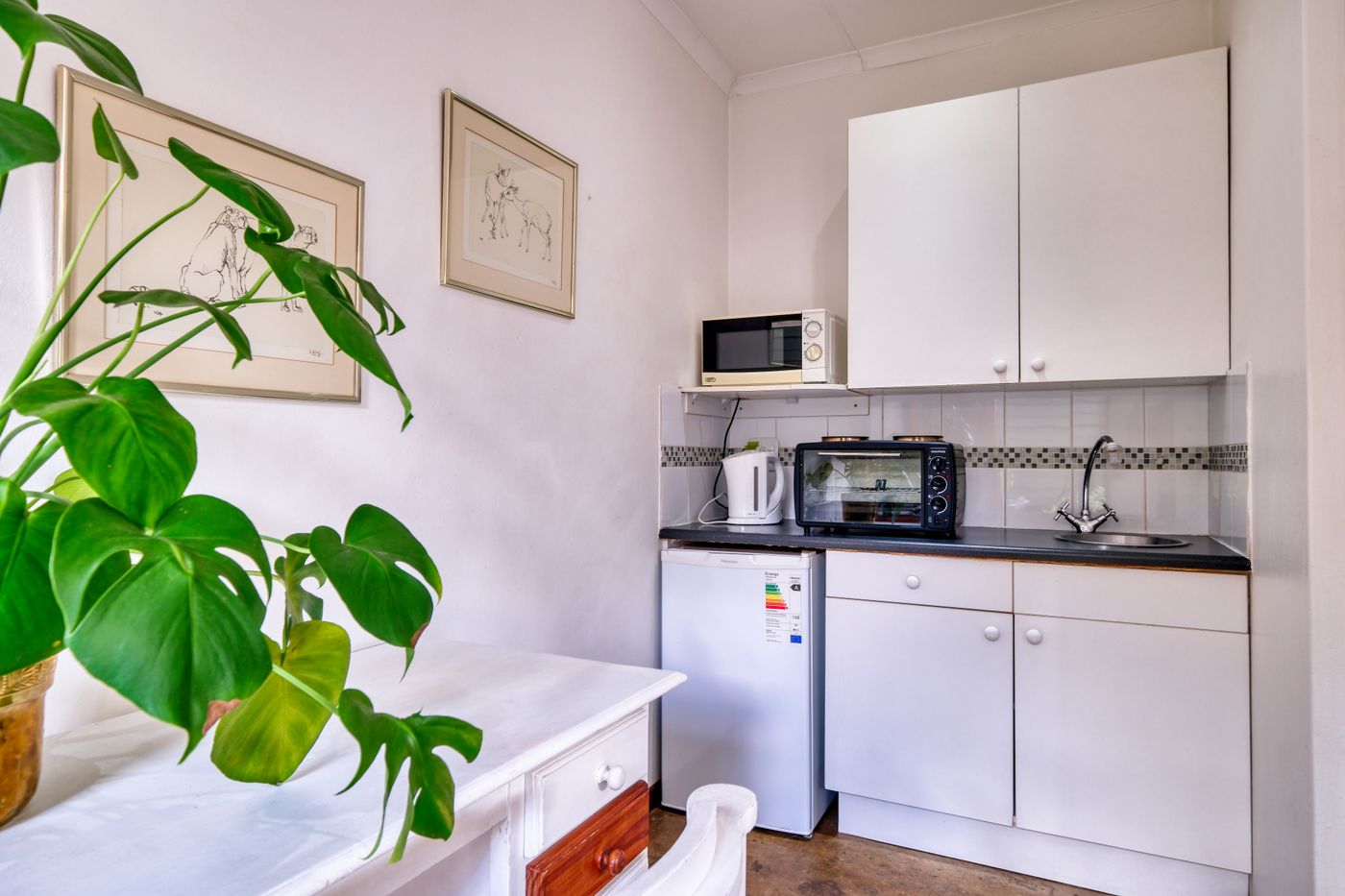
A long recipe can work in a tiny kitchen. The trouble often starts with a short one. You put a cutting board beside the sink, take two bowls from the cupboard and discover that there is nowhere to set down the pan you are already holding. There may be just enough surface for every part of dinner if it happens in the right order. The room feels short on space because those parts are happening at once.
Think of the counter as a surface that changes jobs. It may begin with groceries on it, become a place to chop and end the evening with dishes drying. The most useful improvement is often to shorten the time each job occupies the whole surface. A well placed bowl, a small preparation sequence and a place to put things down safely can make a familiar kitchenette feel much less crowded.
Follow a meal from the shopping bag to the plate
Pick a meal you cook regularly, preferably something with several ingredients and a single hot pan. Imagine making rice and a pan of vegetables with a quick dressing. You need a place for the rice and its pot, the vegetables and board, a small bowl for the dressing, and plates at the end. In a larger kitchen these things can spread out. A kitchenette asks you to decide which things can wait in the cupboard until they are needed.
Unload the ingredients near the sink so you can put packaging away and wash produce. Measure the rice and set it to cook according to its instructions. While the vegetables drain, put the remaining ingredients in the order you will reach for them. If the dressing only needs a jar and a spoon, mix it before the main chopping begins and move it out of the work area. Have a heat-safe landing place ready for any hot cookware. Decide where the plates will go before the pan is ready.
The useful parts of the example are the transfers. A small piece of counter that connects the sink and stove is often the best cutting spot because the board can travel a short distance to the pan. If that same spot is the only area you can use to put down hot cookware, clear the board before the pan leaves the stove. If the board is too big to shift easily, look at the size of the ingredients you typically cut. A smaller stable board can handle many daily tasks and is easier to wash in a compact sink.
Allow for the uncooked ingredients that need different handling. Prepare ready-to-eat items away from raw meat, poultry or seafood and clean utensils and surfaces appropriately. In a small kitchen, doing one task at a time can make separation easier. Take the serving bowl away before preparing raw ingredients, and clean up before returning to the food that will go straight to the table.
Reserve one place to set a hot pan
A landing area is a spot you can reach without taking a step backward or leaning over the sink. Decide where a pot will go if you have to take it off the heat unexpectedly. Leave that spot clear whenever you cook. Have a trivet ready on a suitable surface, allowing room for a handle and the hand holding it. Do not count a draining rack, a narrow edge or a movable board balanced over the sink as a place for hot cookware.
Look at the height of the nearby shelves. A high shelf can be useful for light ingredients, but it is a bad place to reach while you hold something hot. Arrange spices and utensils so you can get what you need before heating the pan. An item you only use when cooking can live very close to the cooking area if it stays clear of heat and moisture and can be reached comfortably. This is more useful than keeping every spoon in one drawer at the other end of the kitchen.
If the hob sits next to a tall wall or cabinet, check how you naturally turn the handles. A handle sticking into the walking route can be knocked. Some cookware may be too broad to use safely alongside another pan on a small hob. Test the fit when everything is cold. In some kitchens, a single suitable pan and a pot used at different times are easier to manage than two big pans at once.
Keep oven doors and the main walking route free. Opening a low oven changes the usable space more than any photograph of the closed appliance suggests. Before putting a baking dish in, find a clear, heat-safe place for it to go afterward. Move a drying rack or stack of plates now if it occupies that place.
Treat drying space as a scheduled use
A rack full of bowls may take up the widest part of a kitchenette. Leaving it there all day makes every other task work around the dishes. If dishes dry by the next morning, putting them away before making breakfast can return half the counter to you. In a household with different schedules, agree on when the rack is cleared and give fragile pieces a safe place to finish drying.
Start with the things you routinely wash by hand. Line them up in a stable rack and notice which ones stand well and which need a wider slot. A narrow rack can work for daily plates and cups, while a large cutting board needs a separate safe place to drain. Follow the rack's design and load limits. Keep water from running onto a wall, into a joint or near electrical fittings. A tray that looks tidy but has to be emptied repeatedly may make more work than a rack positioned to drain into the sink.
A removable drying mat can be useful when you only need extra room for an occasional batch of dishes. Choose one suitable for the surface, let it dry fully and put it away between uses. A mat takes up little cupboard space, but it still needs a place to dry. Avoid adding a permanent stand for the mat if it can dry in an existing clear spot.
A single-basin sink does a lot. Before you start dinner, empty the basin so you can wash produce and deal with spills. Move used preparation dishes together into the sink only when you have finished the jobs that need it. If the sink fills while dinner cooks, take a moment to wash the largest piece that is in the way. This can be faster than trying to clean three small things around it.
Keep the cupboards organized for use in sequence
Imagine opening the cupboards in the order you cook. What do you need first? A bowl for washing or mixing belongs where it is easy to take out before the other dishes pile up. A stack of plates belongs where you can lift one while standing near the serving area. The heaviest cookware should have a secure, comfortable place that does not make you reach awkwardly. Specialty dishes that travel to the table twice a year can occupy a less convenient shelf.
Drawers and doors need room to open. Put a cutting board on the counter and stand where you chop. Check whether someone could take a cup from the cupboard while you remain there. A small shift in where daily cups live might let two people share the kitchen without asking one to move. In a narrow space, a door that opens toward a corner can make its contents harder to reach than the same cupboard on a straight wall. Give that difficult cabinet an occasional job.
Think carefully before buying storage that sits on the counter. A row of tall jars can be useful if you cook with them constantly, but the base of each jar occupies a bit of space. Move the rarely used ones into the cupboard and keep the frequent ones in a single spot. An upright container for utensils is handy if it stays stable and has a sensible location away from the stove. A drawer with a small assortment can do just as well and leaves the wall clear.
If you use a trolley, give it a place where it can stay out of the main route. A trolley that must roll out to let the refrigerator open will eventually become inconvenient. Check that the piece is appropriate for its load and that its wheels or feet keep it stable while it is in use. Start by testing the footprint with a cardboard box. You may discover you have room for a narrow trolley, or that an existing shelf is easier to reach.
Leave the room ready for breakfast
At the end of dinner, put the rarely used objects away first and return everyday utensils to the places you reached for them. Wipe and dry the work surface as appropriate for its material. Check the seam by the sink, where water often sits after the rest of the counter looks clean. Leave one patch of counter open enough to put down a cup or board in the morning without moving anything.
Run through the same meal the next time you cook it. Pick one issue to change. If you had to turn around with a pot, improve the landing spot. If you went looking for a spoon after the pan was hot, put the spoon out before cooking or move its storage. If a wet tray occupied the whole counter, give drying a separate time. Small kitchens reward the habit of looking at one movement closely. Several modest changes can make a one-counter room work as naturally as a much larger one.