A Glass Shower You Can Step Into Easily
Compare door movement, water on the floor, and access to the glass before deciding how to enclose a shower.
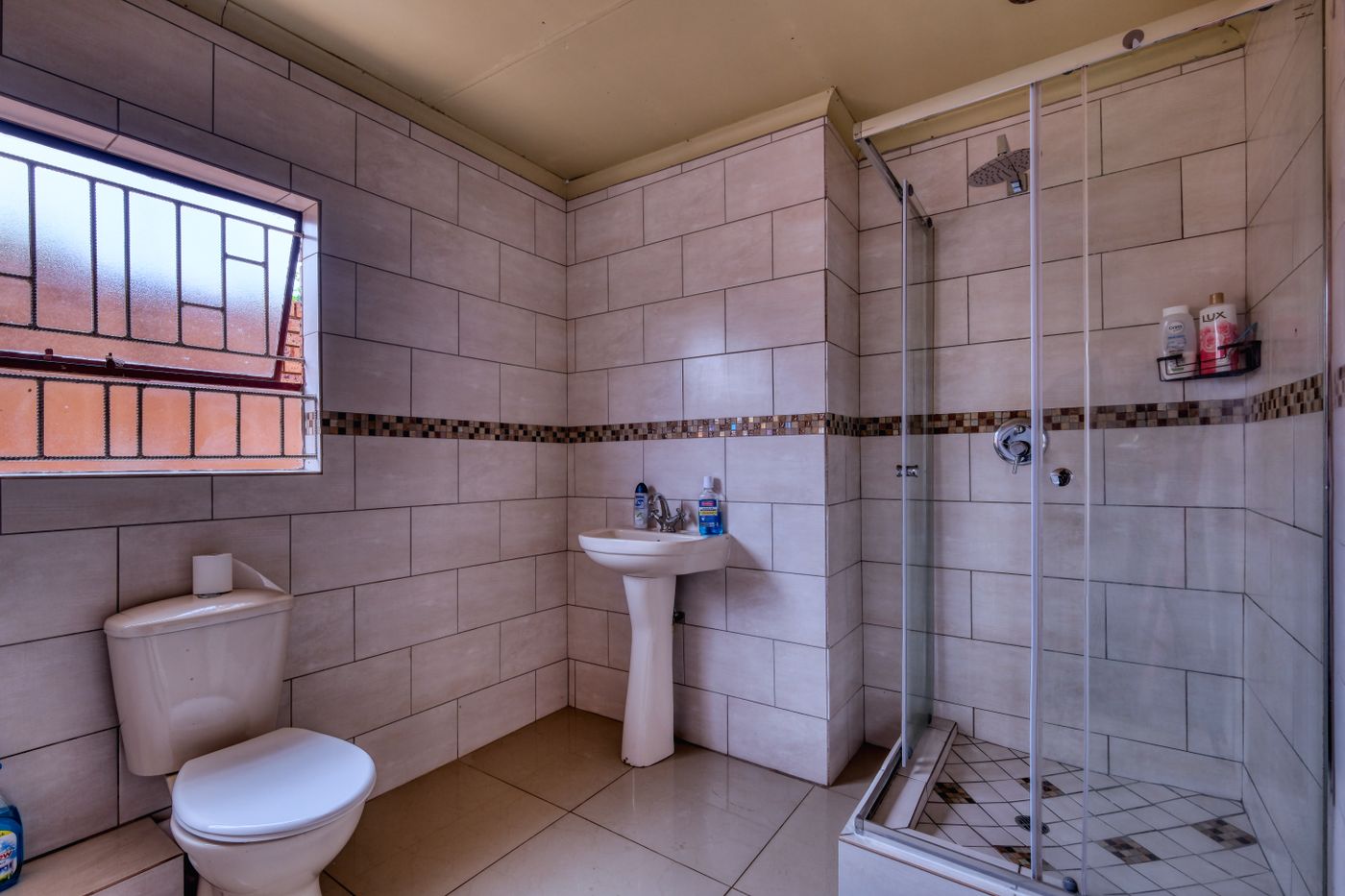
A glass shower shows you the whole room before anybody has used it. The walls meet at clean angles and the floor looks as if it extends through the glass. The morning after installation, somebody opens the door with wet hands, reaches for a towel, and discovers a little arc of water beside the bath mat. A different person steps out and realizes that a handle is just beyond easy reach. Most of the daily experience happens during the short transition between the wet and dry parts of the room.
Watch how the current shower is entered and left, even if its enclosure bears little resemblance to the one you want. Follow the hand that opens the door and the foot that lands first. Make a note of the place where you dry yourself. If something is inconvenient now, record the actual motion instead of writing “need more space.” A contractor can work more directly with “the door opens across the only place where a person can stand to help a child” than with a general request for a more open bathroom.
Draw the door in motion
Put the shower footprint on a simple plan and draw the open door as well as the closed one. Include everything near it that can move, from a cabinet drawer to the bathroom door. A hinged panel describes an arc, and the outer end of a long handle can take up more room than the glass. A sliding arrangement uses room along its track and generally exposes only part of the enclosure at a time. The unobstructed opening matters more than the overall dimension shown in a listing. Ask the seller or installer for that measurement for the actual configuration.
Look at the space needed for a person as well as a door. A small open arc can be enough if the person can stand beside it. The same opening may feel cramped if the bathroom wall keeps them directly in front. A person carrying a child or supporting someone else may need a much wider and more direct approach. Work from the needs of the actual users and consult a qualified professional for an accessible layout. An opening that looks generous on a floor plan may still need a clear turning or transfer area on both sides.
Try the motion without water while somebody else stands outside the bathroom. If you need to turn sideways before touching a handle, see what changes when the approach is from the other side. Ask a professional which directions and hardware are suitable for the proposed door and which local requirements apply. If the door overlaps a towel bar when open, see whether the bar can go somewhere more useful. Move a freestanding basket or stool out of the mock path and look again. A small object can be responsible for much of the awkwardness.
Ask to operate a sample door if the supplier has one. Put your hand on the handle where it would naturally land and see what it takes to start the movement. A compact knob and a longer pull can provide quite different grips. Check whether somebody can tell how the door moves from either side and whether they can operate it easily from the position where they will stand. These small details are easier to assess in person than from the width and finish listed in a catalog.
Think about where water lands after the shower
Notice what happens when the existing shower runs normally. Where does water tend to land inside the enclosure? What is on the floor outside after a person steps out? Water that appears outside while the shower is running may call for a different investigation from water brought out on a person's feet or on a door. Report a suspected leak or failure to a qualified installer. Avoid guessing where water is entering the structure. For daily splashes, a safer clear place to step and a towel within reach can make a visible difference.
A door may hold droplets that fall as it swings. A fixed screen may leave an opening and put different demands on the position of the spray. Describe the shower head, the way it is used, and whether anybody holds a detachable spray close to the opening. Let the installer advise on enclosure dimensions, sealing, drainage, and hardware appropriate to the room. Take photos or make a sketch of the normal water pattern if it is relevant. That evidence is more useful than an empty photograph of the enclosure.
Put a towel where you can reach it after opening the door without leaning past a large panel. Try it when the bathroom is dry. Consider the person with the shortest reach and anyone who needs to steady themselves. An enclosure handle or towel bar should only be used for the purposes it was designed and installed for. Discuss properly supported grab bars and other accessibility needs with a professional rather than treating a convenient handle as a support. Leave the space outside the shower clear so the person can choose where to put their feet.
Decide what you want to see through the glass
Clear glass can extend a view toward a window or show the tile behind it. It will also show the objects normally stored there. Put your usual bottles and cloth in place before deciding how important that view is. Frosted or patterned surfaces reduce detail in different ways. Compare samples at the distance from which you usually see the enclosure. A sample held directly in front of a lamp can give a misleading impression of privacy, especially with a person close behind it. Ask for an accurate example of the actual glass offered.
Look at the entire frame or the exposed edges of a sample. A thin metal line can relate to a mirror or other fitting and make the enclosure visually legible. A wider frame may give the room a more distinct boundary between shower and vanity. Products that are described as frameless can still have clips, supports, or channels. Request a drawing that shows where they will be visible. If a horizontal line crosses a field of tile at an awkward height, flag it before installation and see what alternatives the contractor considers suitable.
If you want a light room, consider what the enclosure does to existing daylight. A patterned panel may scatter daylight toward the rest of the room. Clear glass can preserve a line of sight without making much difference to how much light reaches a darker wall. Compare a late afternoon view with a morning one. See what the panel will reflect when artificial light is on and the bathroom window is dark. A reflection at the doorway can be more noticeable than a slight difference in the tint of the glass.
Reach the surfaces you need to clean
Consider the places you can reach while standing normally outside and inside the shower. A panel very close to the vanity may leave a narrow gap that is difficult to wipe. A track, handle, or clip may make a particular edge take longer to clean. Ask to see how a door in the proposed arrangement moves during cleaning and which parts may be removed or adjusted by the owner according to the instructions. A simple sample can reveal what shape of cloth or cleaning tool will reach a corner.
Check the manufacturer's directions for the glass, any surface treatment, and the hardware. A product suitable for one finish can damage another. Ask how the maker recommends removing water marks and what is safe around seals. Before committing to a treatment or accessory, decide whether its maintenance fits your household. A small squeegee can be easy to reach and put away if it has a secure suitable place. It may stay unused if it has to travel to another room every day.
Look at the enclosure as part of the whole bathroom reset. Can the shower door rest in the position recommended by the manufacturer between uses without blocking the room? Is there a suitable place for a damp mat or towel to dry? Check that ventilation is working and follow instructions for the system. If there is persistent moisture or a suspected leak, seek advice rather than adding more objects to conceal the area. A well placed door can make routine cleaning easier, but the room still needs a way to dry.
Check the proposal as somebody who lives there
Before ordering, ask for the proposed opening size, door movement, handle position, and cleaning guidance in the product information or drawing. Include the position of nearby furnishings and accessories when you review it. Ask a qualified installer to confirm that the enclosure uses suitable glazing and hardware and fits the wall and floor conditions. They can assess the structure and appropriate methods. You can describe the use case and identify the interactions that would make a difference every morning.
After installation, try the room with the usual towels and bath mat in place. Walk through entry, showering, and exit at an ordinary pace. Notice which side the towel hand reaches toward and where your feet land. A practical change might be a towel in a better spot or the removal of a basket that has crept back into the open area. The finished glass can continue to give you the view you liked at first. The parts you will appreciate most are the opening you can use easily and the place to stand when you come out.