Give the Cutting Board Its Own Place to Work
Choose a board by following it from the counter to the sink and back to storage through a meal you make often.
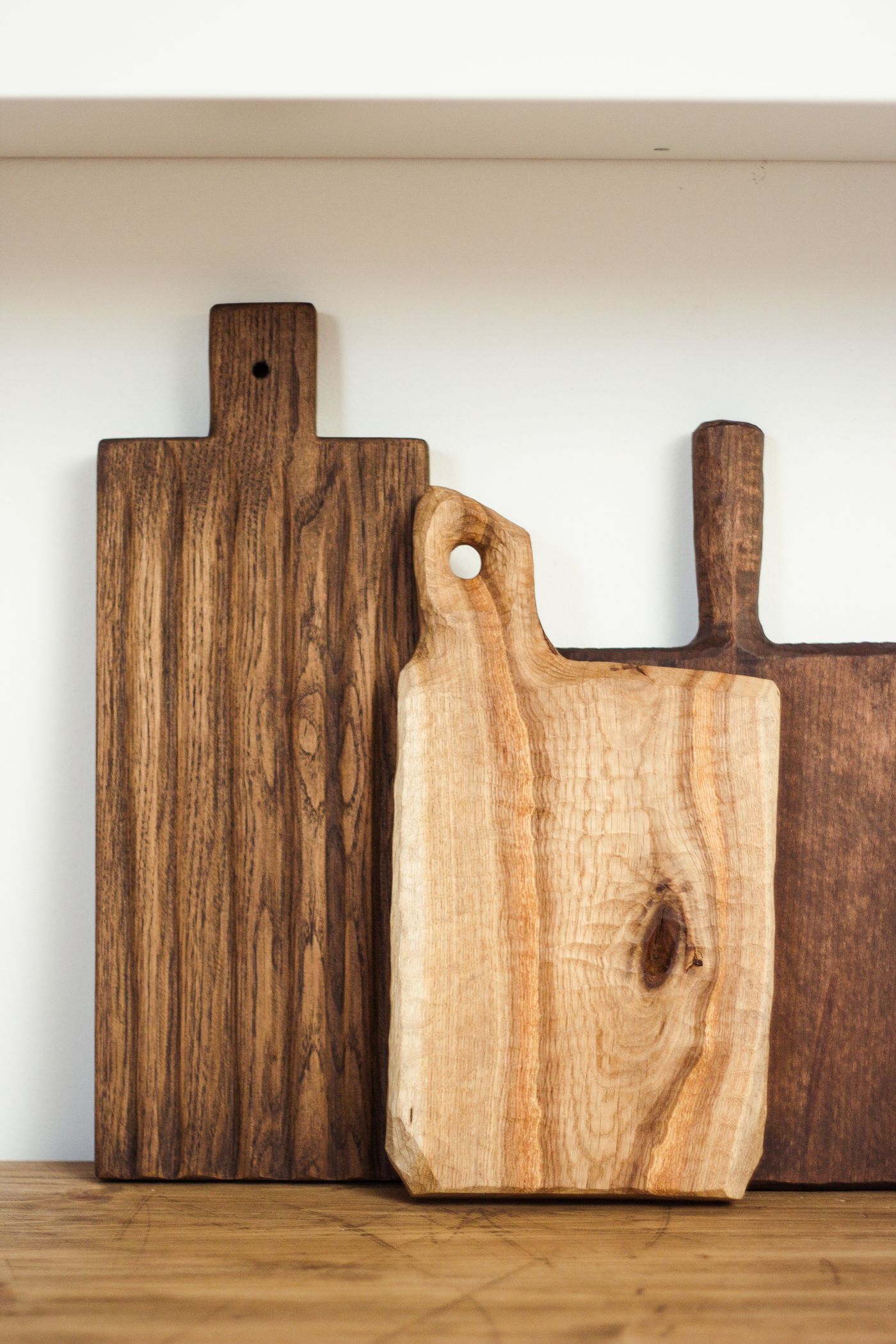
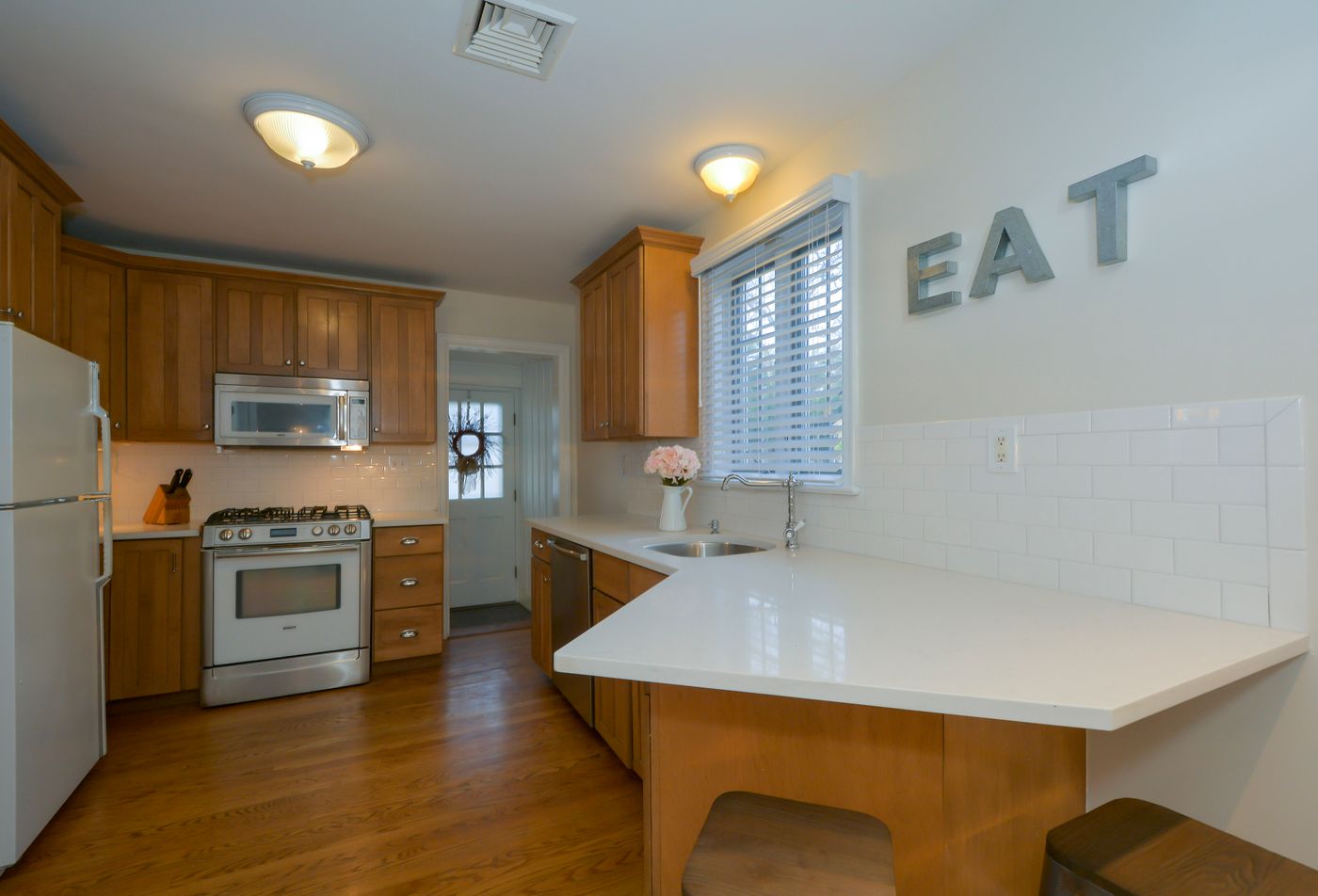
For a board that fits the kitchen, three surfaces matter. There is the board itself, the counter where it sits, and the place it goes to be washed and dried. A handsome wide board can be delightful on the first two and impossible to maneuver at the third. A board bought to fit in a small drawer can be too short to hold a leek and the pieces you have just cut from it. Measuring those three places together gives you a choice that works through the whole meal.
Start with what lands on the board during your most ordinary dinner. Imagine opening a packet, dividing an onion, and putting the chopped ingredients into a bowl. Notice how much space you need to keep the uncut portion away from the finished pieces. A cook who transfers each ingredient to a bowl uses the board differently from somebody who keeps several little piles in a row. Those habits matter more than whether a board looks professional in an empty kitchen.
See how much of the board stays useful
Set your existing board on the counter and place a bowl beside it. Leave yourself room to stand without touching a door handle or turning toward the room each time you reach for the bowl. Put the longest food you normally cut on the board before starting. You can use a carrot or a stalk of celery for the comparison. See where the ends go and where you will put the scraps. A board can hold the whole ingredient and leave too little space for a hand to control it.
Compare a slightly larger rectangle by marking the outline with a sheet of paper. A few extra inches at one end may be more useful than the same increase front to back. If the worktop is shallow, extra depth pushes other objects farther away and may leave the front edge too close to your body. A wide board can suit someone who works from left to right and a narrower one may fit a small stretch beside the sink. Try each outline before deciding which dimension your current board lacks.
Think about raised sides, recessed handles, and grooves as part of the usable area. A channel can catch some liquid, but it also occupies the area near an edge where you might otherwise work. A recessed grip may be comfortable for lifting the board and reduce the flat area on one face. If you want to use both sides, examine them both. Some designs have feet or an underside with a different surface. Ask how the board is intended to sit and which sides are suitable for contact with food.
Check the point where the board meets the counter
Put a clean empty board on the surface where you plan to work and press gently on the corners. It should sit without rocking or sliding during use. Look for crumbs beneath it, a bowed board, or an uneven counter if it moves. A board with built-in grips might behave differently on your surface than it did in a shop. Follow the manufacturer's instructions for securing it. If the arrangement still shifts, change the board or the work location before you use a knife. A stable surface makes it easier to work without stopping to steady it.
Stand as you normally do and see how a thick board changes the working height. A thick slab on a tall counter raises everything on it. Someone who prepares a large amount of food at once may prefer a lower surface. A thin board may be easier to pick up and fit under a cupboard but can behave differently when you carry food on it. Use both hands to test how it feels to lift the empty board, then imagine it with the ingredients you normally move. A wide board can work well if it stays put and you transfer food to a bowl.
A shared kitchen may need a different working position for different people. The right-handed cook may put the bowl to the right, while somebody else prefers a clear edge on the other side. The counter beneath an upper cabinet may suit one person's reach and be awkward for someone taller. Leave enough flexible space to shift the board without moving an appliance. Check that the position you like has good light even when somebody is standing in front of it.
Keep separate boards easy to distinguish
For fresh produce and for raw meat, poultry, and seafood, set out separate boards where possible. A clear difference in color, shape, or markings can make the distinction obvious even when the cook is in a hurry. Keep ready-to-eat foods apart from raw ingredients and their juices. Start with clean equipment and wash the board, utensils, and counter with hot soapy water after preparing each item and before moving on to the next. The USDA offers practical guidance on using and replacing boards safely. USDA cutting board guidance
Decide where the used board goes before you set up for cooking. It should have a route to cleaning that does not cross a plate of prepared food. A small kitchen may only have room to use one board at a time. In that case, prepare the food that needs a clean area, put it away appropriately, and clear the space before beginning the next job. Keep the clean spare where you can get it without touching the already used board. A simple rack or a separate slot can be useful if it accommodates the actual thickness of both pieces.
Another board can suit serving without needing to perform every preparation task. The wide board that holds a loaf at the table can take up unnecessary space for slicing one apple. A small board that does the latter job may be easier to clean and put away. Think in terms of jobs before collecting a set of sizes. Two genuinely useful boards are easier to manage than several that crowd the only place you have to dry them.
Plan to wash the size you buy
Measure the inside of the sink and see how the board will move through it. A board that spans the basin can still be manageable if you have space to turn it and rinse both sides. Hold your current board in the position you actually wash it and note where it comes close to the tap or the edge. Add the thickness of the proposed board to that picture. A heavy board that you have to hold diagonally above the basin may become a chore after even an ordinary meal.
Read the care guidance for the specific board. Wood pieces made from glued sections may have different requirements from a solid board or another material, and dishwasher compatibility varies. If the board goes in a dishwasher, check that it fits in the positions allowed without obstructing the spray arms. If it is washed by hand, make sure there is a secure place to drain and dry it as directed. The board's weight and grip matter more when it is wet and you have already used much of the nearby counter.
Over time, inspect both faces and the edges during washing. Deep grooves or other areas that are difficult to clean can mean that it is time to replace the board. A board that has warped and no longer lies steadily is a poor fit for a cutting job. Follow the maker's guidance about condition and maintenance. If it calls for a particular treatment, use a product intended for that food contact surface and follow its instructions. A board that becomes difficult to care for may deserve a different job or retirement even if you still like the way it looks.
Find a home that does not steal the worktop
Measure the place where the dry board will go. A narrow slot beside a cabinet may seem ideal until you see that the board needs another inch to clear the handle as you slide it out. Check the direction of the motion and where you can put your other hand. An upright board can take up less floor area inside a cabinet. A shallow drawer keeps a light board horizontal and visible. Store a heavy board where you can lift it securely and where it cannot tip into a path.
If a board stays on the counter, be clear about the patch it occupies when you need the whole surface. It may serve as a permanent working area if there is room to clean around it and underneath it as needed. If the board only lives there because it has no other home, try another position for a week. A vertical storage option near the work area can free space for a bowl while keeping the board one easy movement away.
Try your final arrangement with something unremarkable, such as making lunch on a weekday. Take the board out, use it on a stable counter, clean it, and put it where it will dry. Notice the moment that makes you shift something else or take an extra trip. A slightly smaller board may improve the process. A slightly larger one may let you finish on the counter without using a second surface. The right size earns its place when the board can make the entire trip without asking the kitchen to stop for it.